A good coastal Karnataka property can look obvious in a photograph. A quieter price can look obvious in a conversation. Neither tells you whether the property is actually buyable, buildable and safe to own. The gap between what a listing shows and what a title register, a survey map, a mutation entry and a village visit confirm is where most avoidable losses happen on the Karavali coast. This guide walks through what a serious buyer should assess before committing, with the specific context of Udupi, Kundapura, Byndoor and surrounding districts.
A Beautiful Property Is Not Always the Right Property
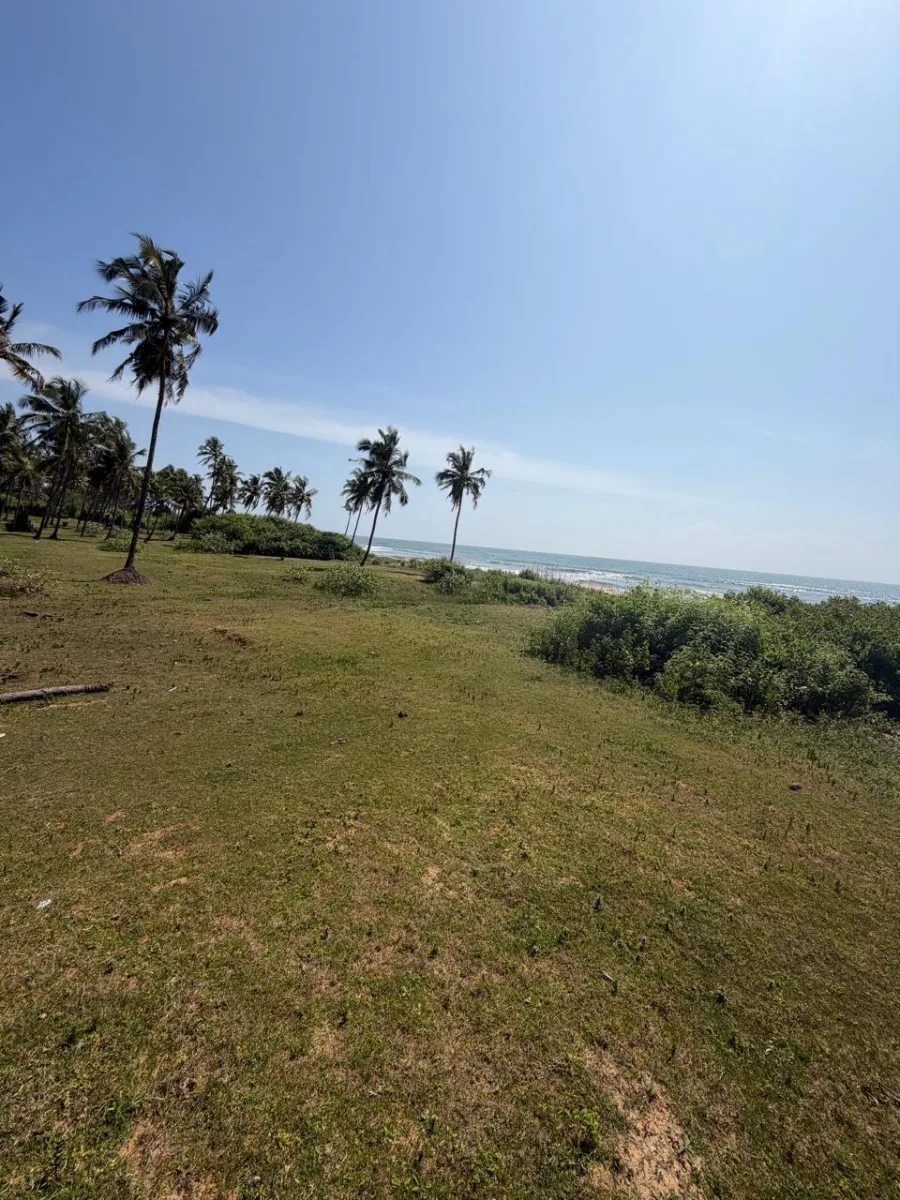
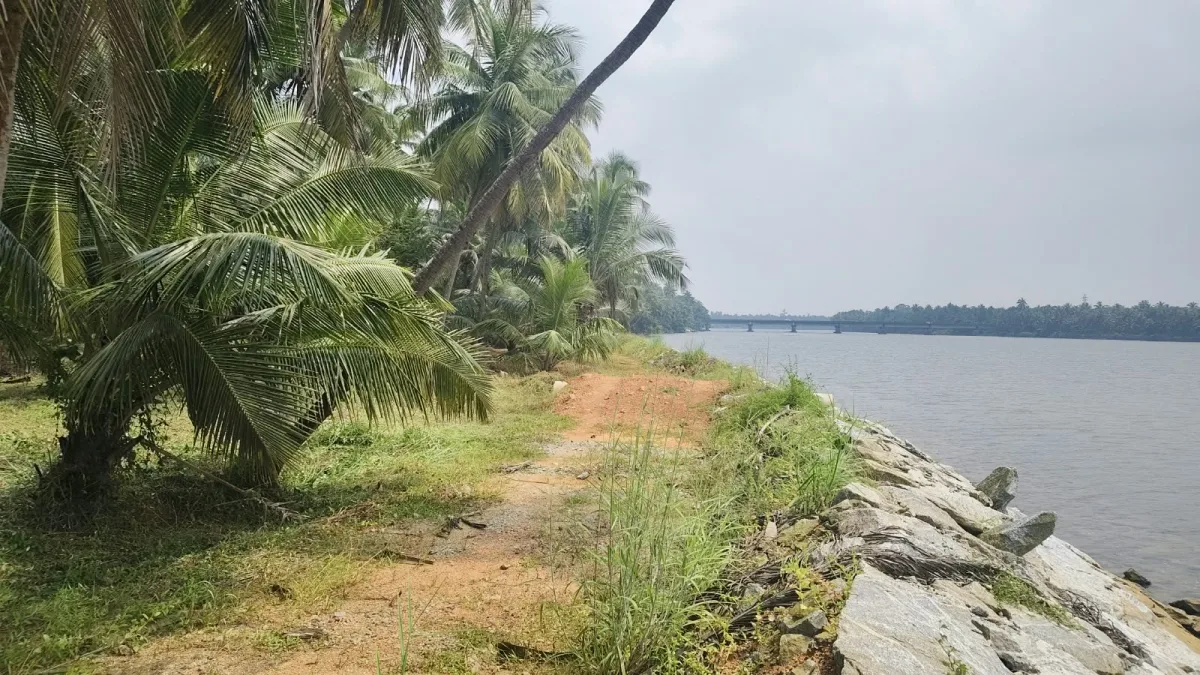
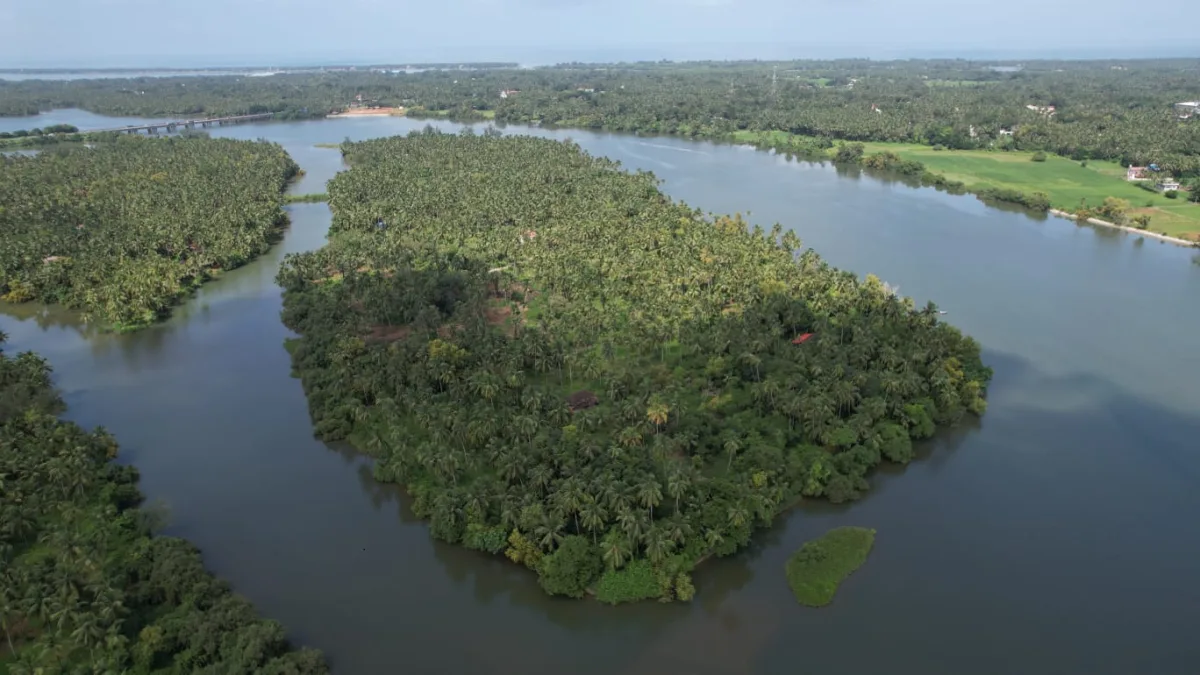
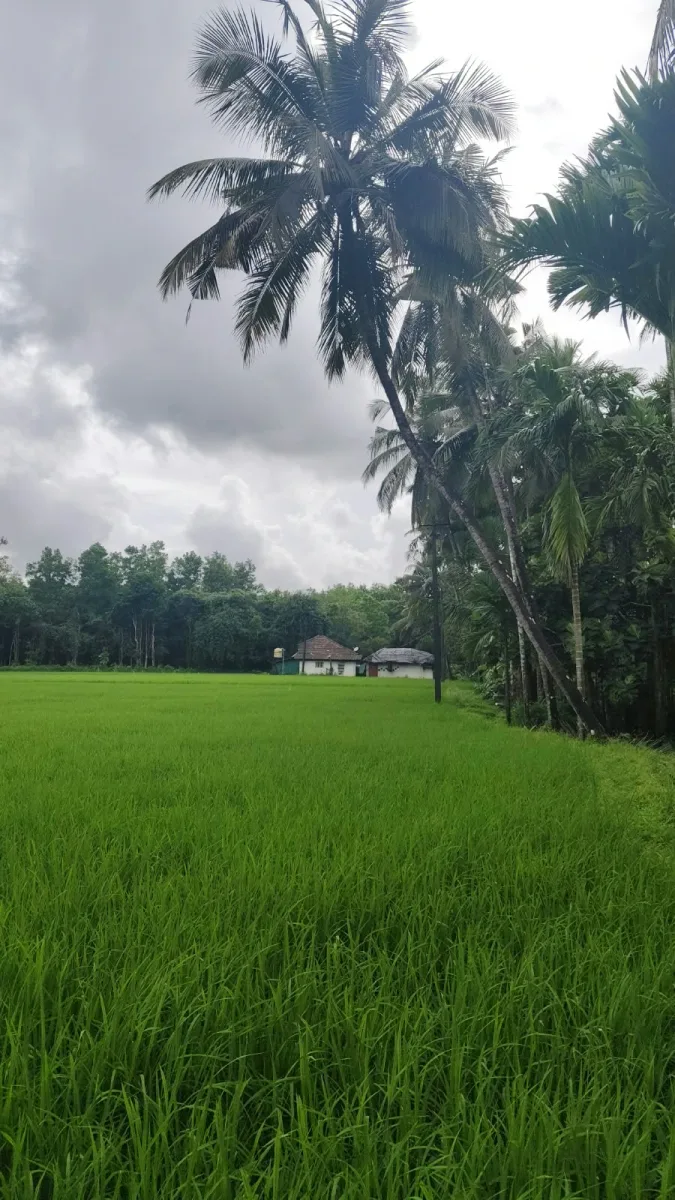
Beachfront plots can sit inside a No Development Zone. A riverfront parcel can flood in the last week of July. An agricultural holding can require conversion before anything other than a farmhouse is permitted. A commercial-looking roadside strip can lack the registered access width that makes it buildable. Visual appeal does not change the regulatory, documentary or physical facts of the land. The first discipline of buying property here is to accept that attractive and buyable are two different findings — and both have to be true before you negotiate.
Understanding the Buyer Comes First
Before land is shortlisted, an honest brief is worth more than a wide search. A clear buyer picture usually answers six questions:
- Budget band — not only the headline purchase price but the full all-in cost. Stamp duty, registration, advocate fees, mutation, approvals and any conversion costs typically add 8 to 10 per cent on top of the sale consideration.
- Purpose — a holiday home for self-use, a rental-income villa, a farmhouse, a long-hold investment, a developer parcel. Each purpose maps to different documentation, locations and risk tolerance.
- Preferred location — not just the district but the micro-market. A plot off NH66 near Udupi behaves very differently from a parcel inside a village lane in Byndoor.
- Land extent — guntas, acres and the minimum size that is useful for the stated purpose. In Karnataka, 1 acre equals 40 guntas; 1 gunta equals about 1,089 square feet.
- Timeline — a six-week purchase window and an eighteen-month build-ready plan require different parcels and different checks.
- Development expectation — whether a structure is intended now, later, or never. This changes which land classifications and CRZ categories are acceptable at all.
The buyer picture precedes the property search. When it is skipped, buyers end up negotiating on parcels that were never going to suit the eventual use — and discovering the mismatch after the earnest-money cheque has cleared.
Location Matters — But the Details Matter More
The Karavali coast runs roughly from Mangaluru in the south through Udupi and Kundapura to Byndoor and up into Uttara Kannada. Each sub-market has its own character. Udupi has the Manipal education corridor and the sacred draw of Sri Krishna Matha. Manipal itself is a tightly built-up campus and healthcare district, with surrounding villages absorbing the expansion. Kundapura is quieter, with a strong local community, backwater villages, and a stretch of coast that has drawn second-home buyers for the last five years. Byndoor, further north, is the most undeveloped of the four — longer coastlines, lower densities, and a correspondingly more careful set of questions about access and amenities.
Within each of these, the real differences sit at the village and survey-number level. A plot two kilometres apart in the same taluk can have different land classifications, different road widths, different flood behaviour and completely different buyers. A useful local brief is one that specifies the micro-market and leaves room for the local adviser to introduce villages a buyer may not have seen on a listing site.
For a deeper read on the villages around Udupi, see our guide to the best villages to buy land near Udupi. For Kundapura-specific context, read the Kundapura land buyer's guide, and for Byndoor, the Byndoor beach property buyer's guide.
Property Documents Deserve Serious Attention
Documentation on Karnataka land is a stack, not a single certificate. No individual document confirms clear title on its own. A proper check works through the full chain:
- RTC (Pahani) — the Record of Rights, Tenancy and Crops, issued by the Village Accountant. Shows the current owner of record, the extent, the land classification and the crop entries. This is a starting point, not a proof of title.
- Mutation records — the updates that record transfers of ownership into the RTC. A clean mutation chain across the last several transfers matters more than any single RTC.
- Registered sale deeds — the full chain of prior registered transfers, read from the sub-registrar's office. Private agreements, GPAs and unregistered papers do not substitute for a registered deed.
- Encumbrance Certificate (EC) — the sub-registrar's record of financial encumbrances (mortgages, charges, court attachments) and registered transactions on the property. In Karnataka, Form 15 covers encumbrances; a 13-year EC is routine, and a 30-year EC is prudent for larger transactions.
- Survey records — the Akarband, Tippani and Phodi records, and the 11E sketch where a parcel has been sub-divided. These are what match the land on the ground to the land on the deed.
- Conversion orders — where agricultural land is intended for residential or commercial use, a conversion order under the applicable provisions of the Karnataka Land Revenue Act is required. Not every rural plot can be converted, and not every converted plot has an original conversion order on file.
- Local authority records — the Gram Panchayat, Town Panchayat or Municipality records for khata, property tax paid, and any construction already permitted or regularised.
Any one of these documents, in isolation, is a signal — not a verdict. Clear title is an opinion that only a qualified advocate can form, by reading the entire chain. Our property due diligence checklist for Coastal Karnataka walks through the full stack for a typical acquisition.
Beachfront and Riverfront Land Requires Additional Evaluation
Coastal regulation is the second layer that sits on top of general land law. Under the Coastal Regulation Zone framework, the Karavali coast is classified broadly into CRZ-I (ecologically sensitive areas including mangroves and dunes, where development is prohibited), CRZ-II (developed urban coastal stretches with limited permissible construction), CRZ-III (relatively undeveloped rural coastal areas with a No Development Zone along the high tide line) and CRZ-IV (water bodies themselves). Most of the open coastal land in Udupi, Kundapura and Byndoor sits in CRZ-III. The practical consequence is a No Development Zone — commonly 200 metres from the high tide line — within which construction is restricted or barred, with specific exemptions.
Beyond the regulatory map, a serious beachfront or riverfront check adds physical questions. How does the parcel behave in the last two weeks of the southwest monsoon? Is there a visible erosion edge from the previous year? Where does the storm-water from the adjacent land drain through? What is the actual high tide line — not the one on a dated map, but the one the local village knows? Access during the monsoon can look very different from access in a February site visit.
A full read of the regulatory picture is in our Coastal Karnataka CRZ and building permissions guide, and the physical monsoon questions are in pre-monsoon land inspection.
Road Access Can Change a Property's Value and Usability
A buildable plot needs a buildable access. Three questions sit under this heading. First, is the access legal — is there a registered right of way, a declared public road, or a road recorded in the village maps? Second, is the access physically usable — is it wide enough, passable in monsoon, and able to carry construction material in? Third, does the access width meet the development requirement for the intended use — residential layout, farmhouse, villa or commercial?
Karnataka's panchayat and development rules link permissible development to road width. For a plot that is intended to be built on, the access width is often the quiet constraint that determines whether approvals will come through at all. A plot with a strong title, a clean EC and no CRZ issue can still be functionally un-buildable because the village lane leading to it is three metres wide rather than the minimum the local authority requires. This is a check that cannot be made from a listing photograph.
Is the Asking Price Justified?
Coastal Karnataka has two prices on almost every parcel — the asking price in the market, and the completed sale price in the sub-registrar's records. The gap is sometimes substantial. A disciplined valuation check uses comparable registered transactions within a short radius and recent timeframe, adjusts for location, road frontage, usability, CRZ status and any limitations on the title, and only then compares the asking figure.
The factors that justify a premium are usually the ones a buyer can verify: tar-road frontage, usable shape, clean title, favourable classification, and the absence of regulatory overhang. The factors that compress price — remote access, awkward shape, CRZ impact, encumbrances, or dispute history — are the ones a seller will understate. A buyer who understands the compressors and the premiums stops negotiating against the listing price and starts negotiating against the real one.
When Should a Buyer Reconsider a Property?
Not every attractive property is a good acquisition. Some signals are worth walking away from:
- Unresolved boundaries — a plot whose physical edges do not match the deed, the 11E sketch or the neighbour's claim.
- Unclear ownership — gaps or inconsistencies in the chain of registered deeds, or mutations that have not followed prior transfers.
- Questionable access — a road that is physically used but not legally recorded, or an access width that would prevent the intended development.
- Regulatory concerns — a CRZ classification that rules out the intended use, or a conversion status that has not been properly obtained.
- Premature payment pressure — any request for substantial advance before title and documentation have been independently verified.
In coastal Karnataka, the parcels that sell quickly are often the ones with the cleanest answers to these questions. A seller who is uncomfortable with a slow, documented process is sending a signal that deserves to be taken seriously.
Buying Property from Dubai or Another City
Remote acquisition is now a routine pattern in Udupi and Kundapura — from Bengaluru, from Mumbai, and particularly from the Gulf. It works, but it works best when the buyer accepts a longer pre-purchase process in exchange for fewer surprises later.
A workable remote-purchase flow typically includes: a documented buyer brief before any property is shown; a shortlist filtered through title and location checks before a video walkthrough; a physical site visit by a local representative acting for the buyer, not the seller; parallel document verification by an independent advocate; a travel-in registration slot, or a properly executed Power of Attorney with a local PoA holder under the Anywhere Registration framework now available through Kaveri 2.0.
The eligibility picture is also worth getting right. Non-resident Indian citizens and Overseas Citizens of India can acquire residential and commercial immovable property in India under the general permission framework, subject to funding through NRE, NRO or FCNR accounts or inward remittance, and are restricted from acquiring agricultural land, plantation land or farmhouses. Foreign citizens who are not OCI cardholders cannot acquire immovable property in India without prior Reserve Bank of India permission, which is not routinely given for direct personal acquisition. Buyers in Dubai should confirm their own eligibility status before negotiating, not after. Our Dubai-to-Kundapur NRI acquisition guide and the broader NRI buying guide for Coastal Karnataka cover this in more depth.
How SSV Realty Can Help Buyers Make Informed Decisions
SSV Realty works as a buyer-side property adviser across Udupi, Kundapura, Byndoor and the surrounding Karavali coast. Our role is to turn a buyer brief into a shortlist that has already been filtered for the realities above, and then to coordinate the acquisition from site visit to registration.
In practice this means: an upfront buyer conversation that establishes purpose, budget and constraints; a shortlist drawn from both listed and off-market parcels in the chosen micro-market; a joint site visit with the buyer or, for remote buyers, a recorded walkthrough; a documented summary of what each parcel is and is not, including the regulatory and access picture; coordination with the buyer's advocate for title and EC checks; and support through the stamp duty, registration and mutation steps that follow the sale deed.
SSV Realty does not provide legal certification, does not issue official land surveys, and does not grant regulatory approvals. Title opinions remain the domain of qualified advocates; survey verification is done by licensed surveyors; CRZ and building approvals are issued by the relevant authorities. Our value is in bringing a buyer the local knowledge, the documented process and the trusted panel through which these checks are done properly — so the decision that reaches your desk is already a considered one.
Frequently Asked Questions
How do I verify land before buying in Udupi?
Verify the title through the registered deed chain, the Encumbrance Certificate (at least 13 years, ideally 30), the RTC and mutation history, the 11E survey sketch where applicable, and any conversion order. Match the documents to the land on the ground through a physical site visit and, where there is any boundary question, a licensed surveyor. A buyer-side advocate reads the full chain and issues a title opinion.
Is beachfront land in Udupi suitable for building a villa?
It depends on the CRZ classification of the specific parcel. Most open coastline in Udupi sits in CRZ-III, which has a No Development Zone measured from the high tide line within which construction is restricted. Whether a villa is permissible depends on where the plot sits relative to that zone and whether any specific exemption applies. The CRZ classification of a parcel is verifiable — do not rely on the seller's view.
What should I check before buying riverfront property in Kundapura?
Check the title and EC as for any purchase; check the CRZ-IV and tidal influence where the river is tidal (several Kundapura rivers are); check the monsoon flood behaviour of the parcel, not just its dry-season appearance; check legal and physical access; and check drainage of the adjacent land through the plot. A pre-monsoon or monsoon site visit changes the reading of riverfront land significantly.
Can an NRI living in Dubai buy property in Coastal Karnataka?
An NRI or OCI can acquire residential and commercial property in India under the general permission framework, subject to funding through NRE, NRO or FCNR accounts or inward remittance. Agricultural land, plantation land and farmhouses are not permissible under this framework. Foreign citizens who do not hold OCI status cannot acquire immovable property in India without prior RBI permission. A buyer in Dubai should confirm their own eligibility before beginning a transaction.
How can I tell whether land is overpriced?
Compare the asking price against recent completed registered transactions within a short radius, adjusted for road frontage, usable area, title condition, CRZ status and classification. The asking price in a listing is the seller's view; the registered transactions are the market's. A disciplined buyer negotiates against the second.
Who can help me find property in Udupi, Kundapura or Byndoor?
A buyer-side property adviser who works the specific micro-market, coordinates with advocates and surveyors, and can bring both listed and off-market parcels. SSV Realty works across these districts for local, NRI and out-of-state buyers. You can talk to us about your specific brief.
Does an RTC or Encumbrance Certificate guarantee clear property title?
No. An RTC shows the current recorded ownership and classification at the village level; it is a starting point, not a title. An EC shows the registered encumbrances and transactions on the property over the period covered. Clear title is an opinion formed by an advocate after reading the full chain of registered deeds, the EC, the mutation records and the survey records together.
The SSV Realty Perspective
Buying land on the Karavali coast rewards the buyer who takes the time to understand what they are actually buying. The documents are public. The regulations are knowable. The physical questions reveal themselves to anyone who visits the land properly. What is often missing is the local map of where to find the right parcels, which questions matter for each kind of land, and how to run the checks in the right order so that time and money are not lost on parcels that were never going to work.
That is the ground that SSV Realty covers. Before you invest in land, invest time in understanding it — and in choosing the people who will help you understand it.
If you are considering a purchase in Udupi, Kundapura, Byndoor or anywhere on the Karavali coast, explore the available properties on our site or talk to our team about your specific brief.