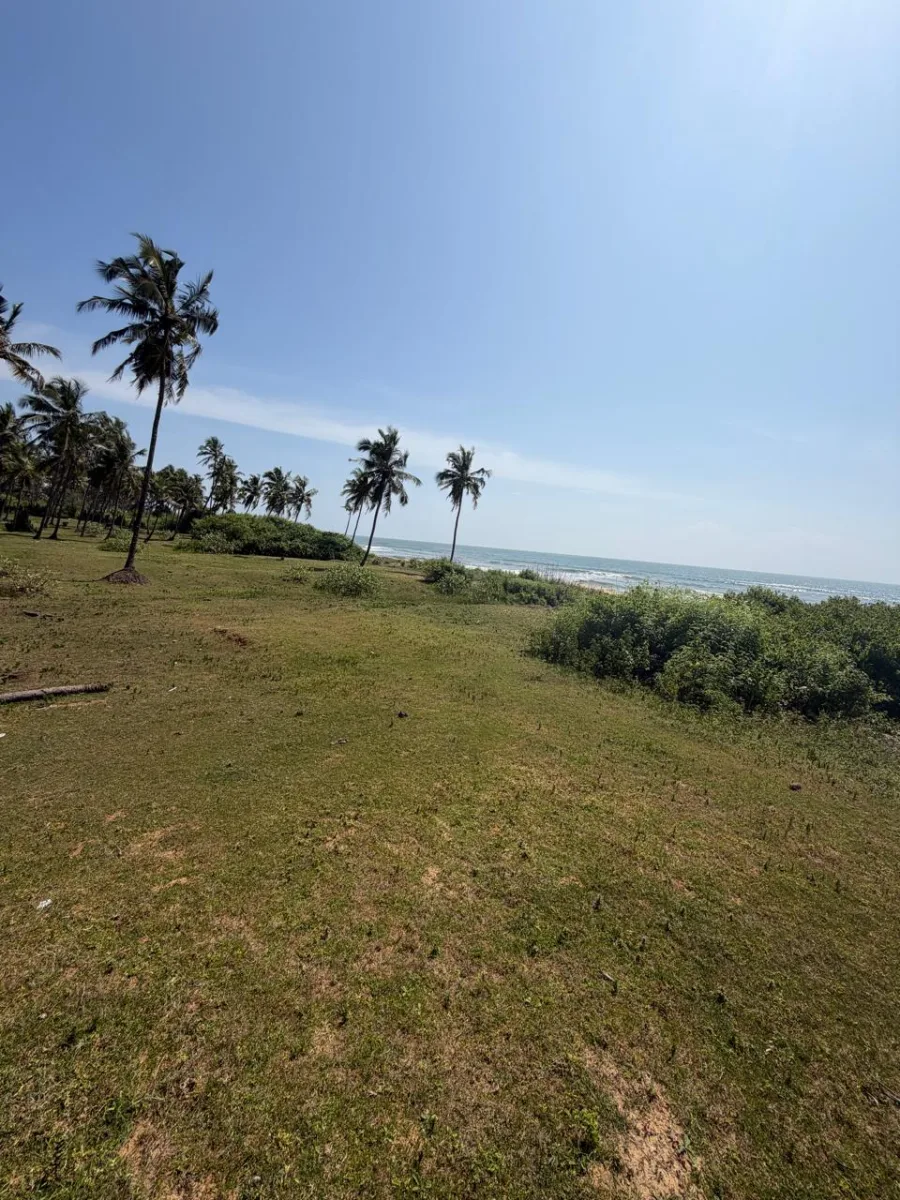
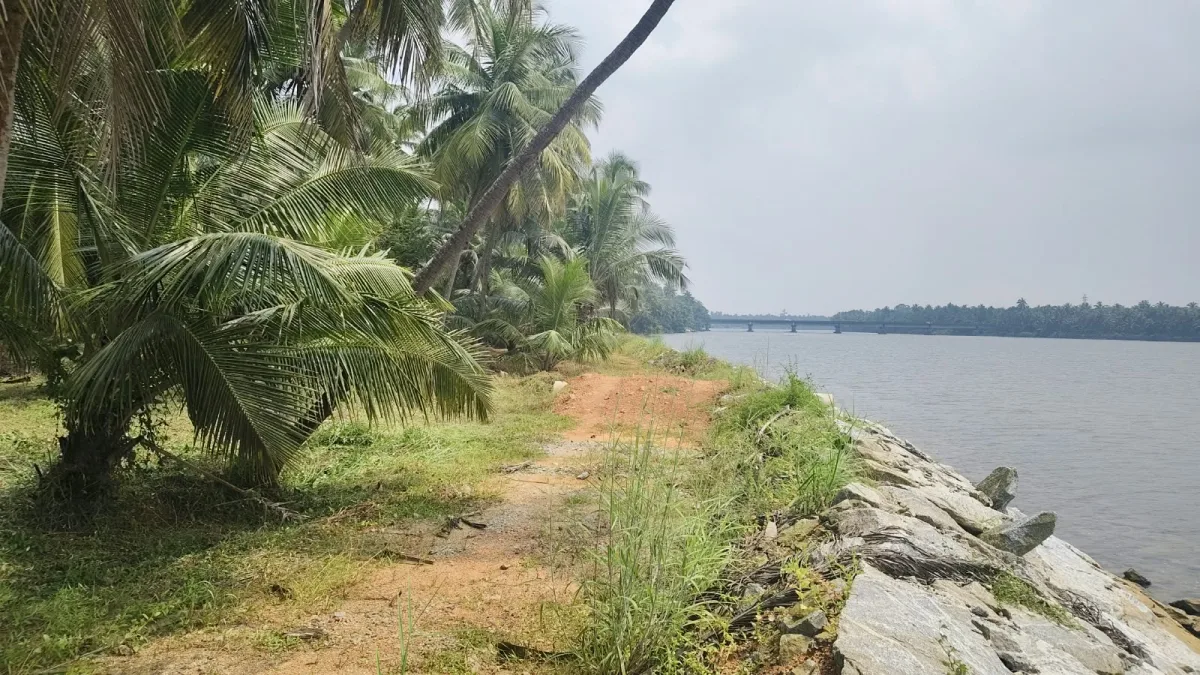
The most expensive property mistakes on the Karavali coast are not made at negotiation — they are made at due diligence. Buyers who skip steps, trust seller representations, or use generalist advocates who do not know the specific requirements of coastal Karnataka land end up with assets that cannot be built on, titles that cannot be transferred, or loans that cannot be sanctioned. This checklist covers every step of due diligence for coastal Karnataka land so that none of those mistakes are made on your transaction.
Step 1: Identity and Ownership Verification
- Confirm the seller's identity matches the name in the RTC (Record of Rights, Tenancy and Crops). If the seller is not the RTC holder, establish and document the basis of their authority to sell (legal heir, POA holder, trustee).
- If there are multiple owners (co-owners, inherited land), obtain consent to sell from all co-owners. A sale without all co-owner signatures is voidable.
- For inherited land: verify the succession documents — Will, succession certificate, or legal heir certificate — are in order and the mutation has been completed in favour of the seller.
Step 2: RTC (Pahani) Verification
- Obtain certified copy of RTC from the Village Accountant or Taluk Office. Do not rely solely on the Bhoomi online portal for due diligence purposes.
- Check Column 9: land classification (agricultural, converted, forest). If agricultural, DC Conversion is required before building.
- Check Column 12: remarks column for government acquisition notices, court orders, or encumbrance flags.
- Confirm survey number, extent, and boundaries match the physical plot you inspected.
- For converted land: verify the DC Conversion order is present AND the RTC has been updated to reflect non-agricultural classification. The order without the RTC update is an incomplete conversion.
Step 3: Encumbrance Certificate (EC)
- Obtain EC from the Sub-Registrar's office for a minimum of 30 years (13 years is standard but insufficient for coastal Karnataka where older transactions are common).
- Verify the chain of ownership is unbroken — every transfer from previous owner to current seller must be documented.
- Check for undischarged mortgages. A mortgage that has not been formally released by the bank remains an encumbrance on the property.
- Check for court attachments, injunctions, or lis pendens (pending litigation notices) registered against the property.
- For agricultural land: check for registered tenancy agreements. Karnataka's earlier tenancy legislation granted occupancy rights to tillers in certain cases — these rights survive even after sale.
Step 4: CRZ Verification (Coastal Karnataka Specific)
- For any plot within 500 metres of the Arabian Sea coastline or any tidal waterway (river, backwater, creek), CRZ verification is mandatory before any offer is made.
- Commission a licensed surveyor to physically establish the distance from the plot boundary to the High Tide Line (HTL). Do not rely on satellite maps or seller representations.
- For plots near rivers or estuaries: measure HTL from the tidal waterway boundary as well — CRZ restrictions apply from both the sea and tidal water bodies.
- Confirm CRZ classification from the Karnataka State Coastal Zone Management Authority (KCZMA) Coastal Zone Management Plan maps. The plot should fall in CRZ III buildable zone (200–500m from HTL) for construction to be permitted.
- For added assurance: obtain a written letter or NOC from KCZMA confirming the plot's CRZ status for the specific survey number.
Step 5: Karnataka Land Reforms Act Compliance
- Confirm whether the buyer is eligible to purchase under Sections 79A and 79B of the Karnataka Land Reforms Act. Non-agriculturalists cannot purchase agricultural land.
- If the land is still classified agricultural: DC Conversion must be completed before a non-agriculturalist buyer can legally purchase and build.
- If purchasing as an NRI: the FEMA restrictions on agricultural land apply. Only converted land can be purchased by NRIs without RBI approval.
Step 6: Survey and Physical Verification
- Obtain a certified survey sketch from the Survey Department showing the plot boundaries, survey number, and adjacent survey numbers.
- Have a licensed surveyor physically verify the plot boundaries on the ground and confirm they match the sketch. Boundary encroachments by neighbours are common in coastal villages.
- Confirm road access to the plot. Access via a neighbour's land without a registered easement is a title defect.
- Check for any physical encumbrances — existing structures, wells, trees claimed by others — that might complicate vacant possession.
Step 7: Local Authority Records
- Check with the relevant Gram Panchayat for prior building approvals in the locality. This provides practical evidence that the area is buildable and the GP processes building permissions there.
- Confirm the plot falls within the GP's jurisdiction and there are no pending acquisition or development plan reservations affecting it.
- Check for outstanding property tax dues. Unpaid property tax is a liability that transfers with ownership.
Step 8: Title Opinion
- Engage a local advocate — one who practices in the relevant taluk court and has specific experience with Kundapur or Udupi Sub-Registrar transactions — to prepare a formal Title Opinion based on all documents obtained.
- The Title Opinion should cover: ownership chain, EC findings, conversion status, CRZ findings, land reform compliance, and any outstanding risks or conditions.
- A Bengaluru or Mangalore generalist advocate who has not handled taluk-level revenue records in coastal Udupi or Uttara Kannada will miss things a local advocate will catch immediately. Local expertise is not optional.
Step 9: Sale Agreement
- Draft a Sale Agreement (Agreement to Sell) only after all due diligence is complete and the Title Opinion is satisfactory.
- The agreement must specify: exact survey number and extent, agreed consideration, payment schedule, conditions (including any pending conversion completion), and the consequences of default by either party.
- Register or notarise the Sale Agreement. An unregistered agreement has limited legal enforceability.
- Pay advance only after the Sale Agreement is executed. Never pay advance before due diligence is complete.
Step 10: Post-Registration
- After the Sale Deed is registered, file for mutation (khata transfer) at the Taluk Office within 30 days. Mutation updates the RTC in your name.
- Obtain the updated RTC confirming your name as the owner. This is the document you will need for building permission, bank finance, and future sale.
SSV Realty's Due Diligence Process
Every property SSV Realty lists has been through our internal review covering Steps 2–7 of this checklist. We provide buyers with the underlying documents and work with local advocates to complete Step 8. For NRI buyers who cannot be present, we coordinate the full process including POA arrangements. View pre-reviewed properties or engage our team for due diligence support on land you are evaluating independently.