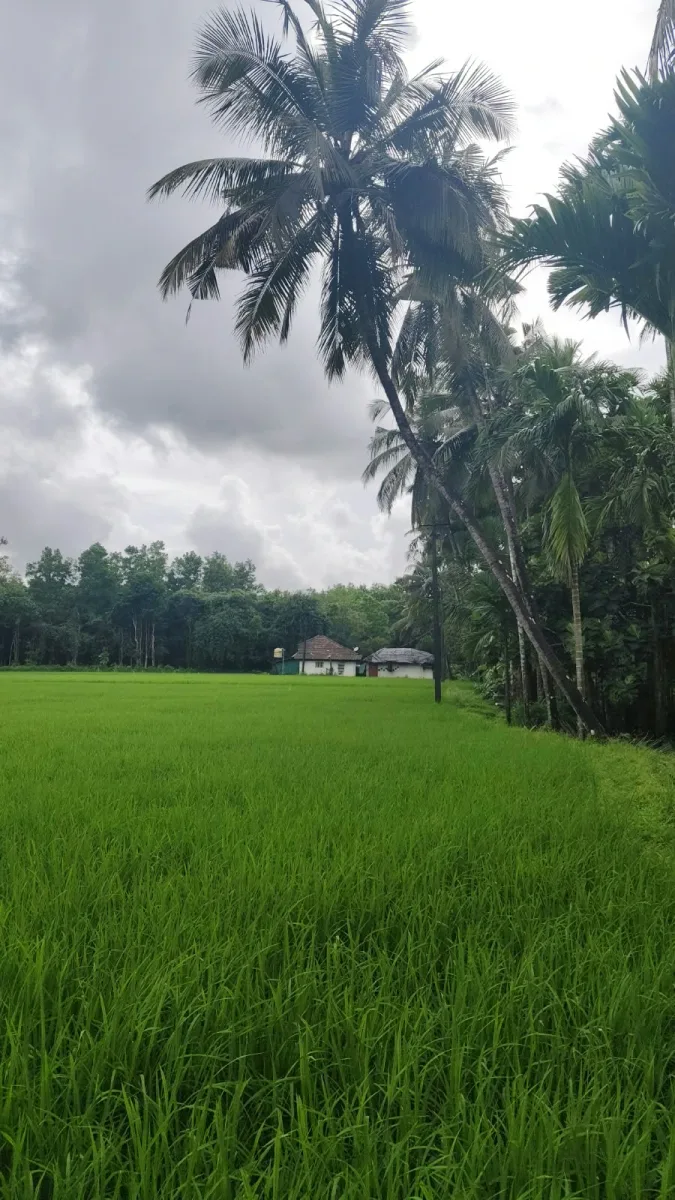
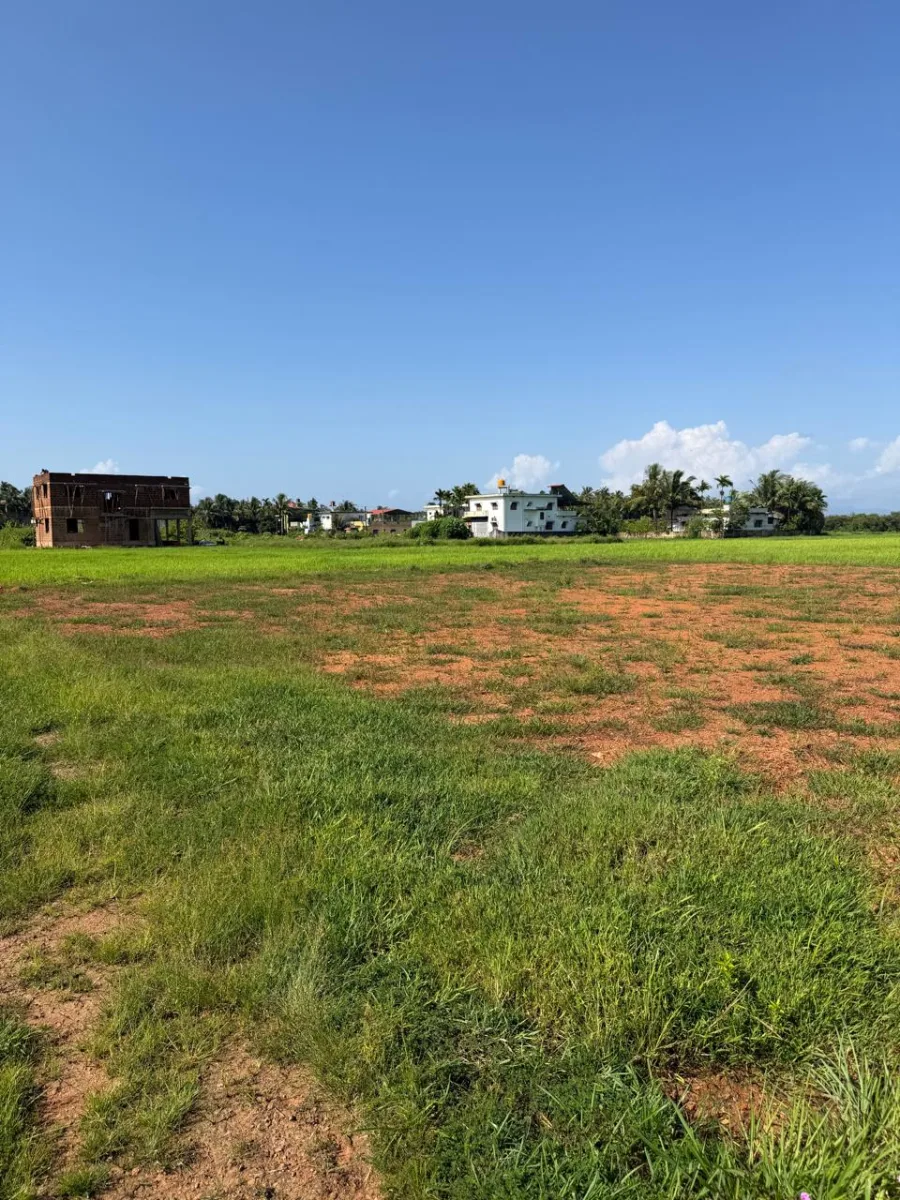
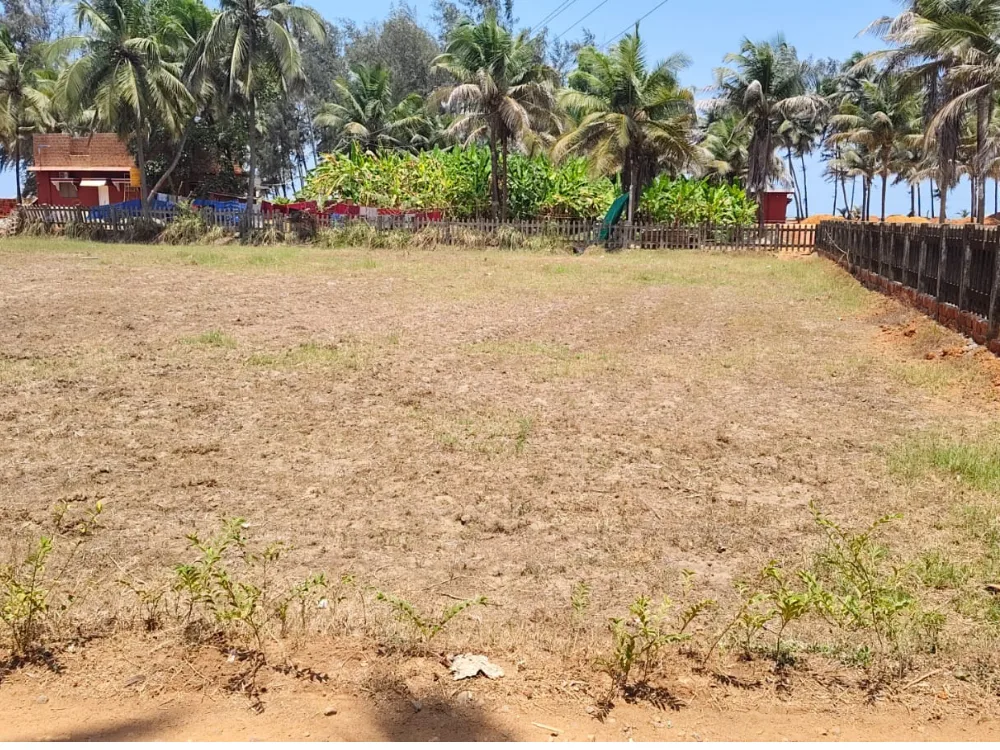
On 18 September 2026 the Karnataka Cabinet, chaired by Chief Minister D. K. Shivakumar and meeting in Mangaluru, approved the Coastal-Malnad Karnataka Tourism Policy 2026. The policy carries a headline allocation of ₹500 crore and sits inside a larger ₹32,611-crore package of projects the Cabinet cleared at the same meeting, according to Deccan Herald and ANI.
This is the largest single package of coastal-and-Malnad decisions we have seen in one Cabinet session in recent memory, and it deserves to be read on its own merits. This piece reports the substance and then does what we are here to do: read it through the lens of what it changes, or does not change, for property owners and buyers in Udupi, Kundapur, Byndoor and the wider Karavali coast.
What the policy actually contains
The Coastal-Malnad Tourism Policy 2026 is structured around a small number of specific mechanisms rather than a vague ambition. The elements worth knowing:
- ₹500 crore government allocation, with an expected total investment of over ₹32,000 crore over the policy horizon (Deccan Herald).
- Nine tourism circuits and 12 islands across Dakshina Kannada, Udupi and Uttara Kannada districts to be developed under a public-private-partnership model (Deccan Herald).
- A Tourism Land Bank: ready-to-develop parcels held by the government and offered to investors, so a tourism developer no longer has to assemble land plot-by-plot before they can begin (Deccan Herald curtain-raiser).
- A single-window mechanism for tourism-project approvals in the coastal and Malnad regions, aimed at time-bound clearances rather than the multi-department relay a project currently walks through.
- Tourism projects to be classified as infrastructure projects, which changes their loan-eligibility and repayment-tenure profile with lenders — a small change on paper that materially affects what a mid-sized coastal hospitality project can raise.
- Temple infrastructure gets specific line items too: land for a Sri Venkateshwara Swamy Temple, grants for prominent temples in the region, and a ₹33-crore bridge at Kateel.
The specific projects that touch our zone
Two categories of announced spending sit inside — or immediately next to — the SSV coverage area:
Islands, marinas and eco-huts
- ₹279.03 crore for eco-tourism development across roughly 26.69 acres on Ayaba, Darya Bahadur Gad and Malpe islands in Udupi district.
- ₹307.71 crore for seven islands across Karwar, Bhatkal and Ankola taluks in Uttara Kannada.
- ₹125.43 crore for the northern and southern islands of the Gurupura River in Mangaluru taluk, including a 30-berth marina and 32 eco-huts.
Numbers per Deccan Herald.
Bridges and connectivity in Dakshina Kannada + Udupi
Six connectivity projects were approved at the same Cabinet meeting: Palimar bridge reconstruction (₹25 crore), completion of Kote Koor-Bolar bridge works (₹50 crore), Kandlur bridge on State Highway 85 (₹55 crore), Maravoor bridge (₹40 crore), and Kateel bridge reconstruction (₹33 crore). These are the ordinary but decisive kind of infrastructure that changes what a July drive to a property actually looks like a few years from now.
The startup piece — Mangaluru is in the cluster map
Alongside the tourism policy, the state's earlier Karnataka Startup Policy 2025–30 gives the coastal region a second policy tailwind. The policy targets 25,000 new startups over five years, of which 10,000 are meant to emerge from cities outside Bengaluru. Mangaluru sits in the government's Cluster A (with Mysuru and Tumakuru), which is where a dedicated Beyond Bengaluru Cluster Seed Fund is expected to channel capital, along with 50 new-age incubation centres across colleges outside the capital.
What this means in practice, on the ground here, is not "Mangaluru becomes the next Bengaluru overnight" — it does not, and the policy does not claim that. It means a slow-build layer of professional workforce migration into the coastal ecosystem, drawn by companies that can be seeded here now that a policy path exists for it. That layer, more than any tourist statistic, is the one that historically shifts residential property demand.
What this means for property in Karavali
Now the interpretation. Two disciplined observations first, so nothing that follows reads as a promise:
Policy allocations are not price movements. A ₹500 crore state allocation, even inside a larger ₹32,000 crore expected investment envelope, does not translate mechanically into land-price movement. Karnataka has approved coastal-tourism intentions before. What matters is what actually gets built and when.
Nothing in this policy is a per-plot commitment. A specific property in a specific village either benefits from real access improvements, real proximity to a real new project, and a real tourism catchment — or it does not. The policy is a landscape, not an offer letter.
With those two clear, here are the interpretations we think are worth carrying:
1. Well-connected coastal micro-markets get a tailwind
Properties within a real drive of the announced spending — the DK–Udupi bridge cluster, Mangaluru's Gurupura marina project, the Udupi islands eco-tourism scheme, and the Karwar-Bhatkal-Ankola islands scheme — sit in a slightly better long-run infrastructure envelope than they did before 18 September. "Slightly better long-run" is exactly the phrase, not "immediately worth more".
2. The Tourism Land Bank changes the developer conversation
If the Land Bank actually materialises — a large "if", to be watched — coastal tourism developers gain a channel that competes with the traditional private-market land-assembly path. This is not automatically negative for private landowners; it is a signal that the demand side is being organised and made real. Landowners with genuinely suitable coastal parcels may find the developer conversation gets more serious in the next 18–24 months.
3. Byndoor stays a patient hold
The bulk of the announced spending sits in Mangaluru, Udupi and Uttara Kannada's Karwar-Ankola arc. Byndoor is inside Udupi district but does not receive a headline project in this round of announcements. That reads exactly the way our Byndoor buyer's guide reads: Byndoor rewards patience, and this policy does not change that. If anything, it reinforces the case for buyers who are picking Byndoor for the quiet.
4. The startup-policy layer favours Mangaluru–Udupi first
The Beyond-Bengaluru startup cluster is centred on Mangaluru. On a five-year horizon, the coastal properties most likely to see residential-demand support from professional workforce inflow are in Mangaluru and around greater Udupi. Kundapur secondarily. Byndoor from a much lower base.
5. Regulatory tailwinds do not remove the CRZ homework
The Coastal Regulation Zone applies to every coastal property in Karnataka regardless of what tourism policy is announced. A property in a favourable tourism envelope but on the wrong side of a CRZ setback is still on the wrong side of a CRZ setback. Our complete CRZ regulations guide for Coastal Karnataka covers this in detail. Read it alongside anything you read about tourism-policy announcements.
What we are watching next
Reporting a Cabinet approval is easy; noticing what actually gets built is the hard part. Over the next twelve months the events worth watching are:
- The tender notifications for the specific island projects listed above. A signed PPP for Ayaba–Darya Bahadur Gad–Malpe changes the picture around Udupi. A missed tender window changes it in the other direction.
- Actual movement on the Tourism Land Bank — whether parcels are notified, and in which taluks.
- The Kateel, Palimar, Kandlur and Maravoor bridge works reaching real contract-award stage.
- Any state or central announcement on the Mangaluru airport and NH-66 phased widening that historically links to coastal-property demand.
Our earlier piece on the policy's build-up — Coastal-Malnad Tourism Policy 2026 — the Karavali angle (August) — was written before the Cabinet approval. This piece updates it with the actual approved numbers. We will keep both live so a reader who wants the pre-approval framing has it.
Every serious property decision on this coast has always turned on a mix of policy, location, title, CRZ and holding cost — never on any single one of those. This policy strengthens the "location" and "policy" columns of that mix in specific places on the coast. The other three columns still need the same disciplined work they always did. Our decision framework for choosing a Karavali beach property is the practical follow-through.
Sources cited: Deccan Herald (Cabinet approval), Deccan Herald (curtain-raiser), ANI (Cabinet total), The Week (policy analysis), Newskarnataka, Karnataka Tourism (Coastal Conclave), YourStory (Startup Policy 2025–30).