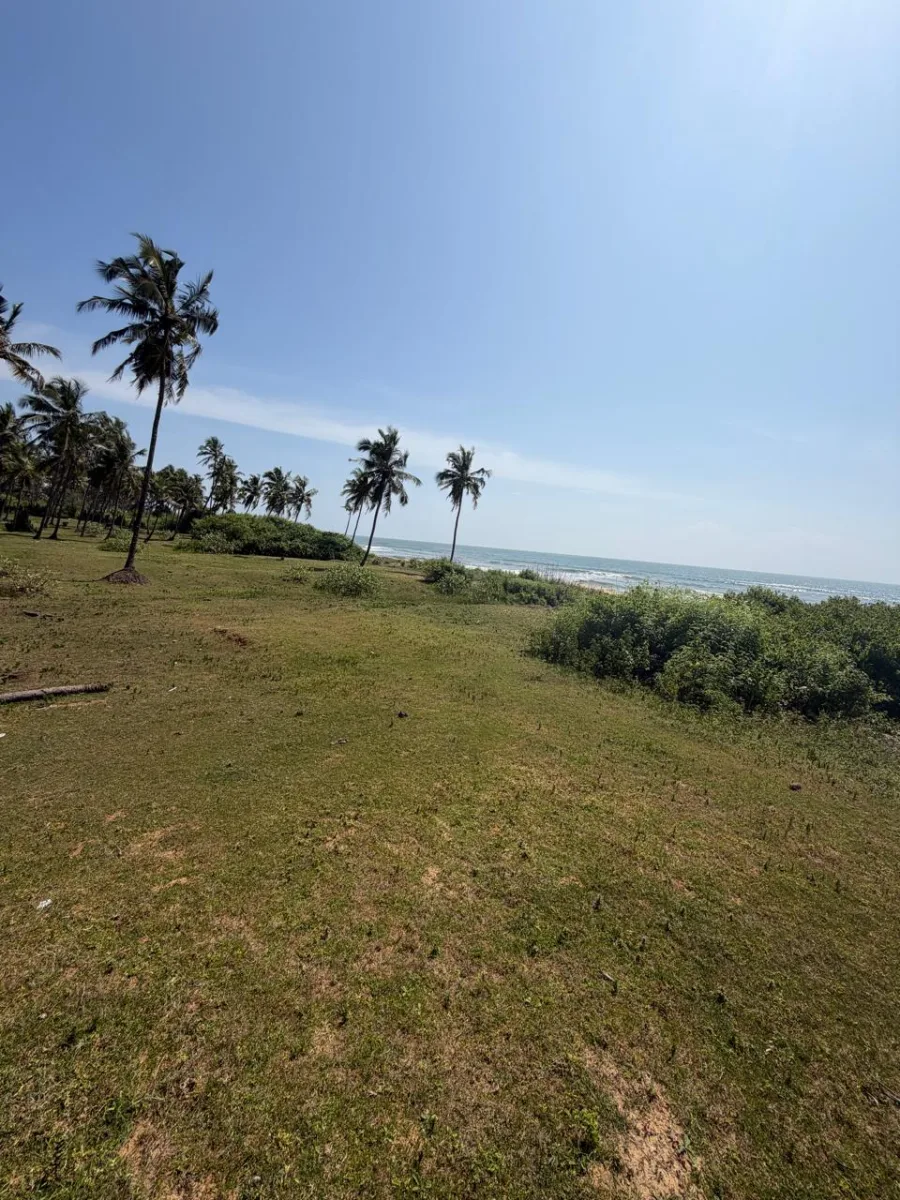
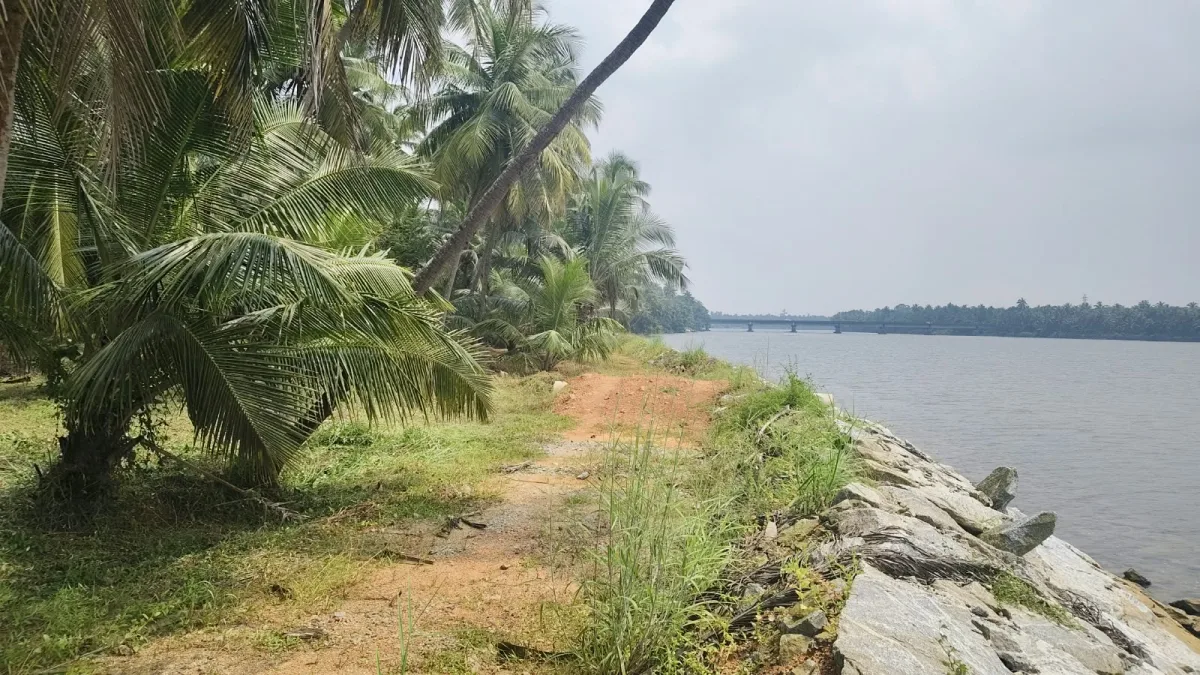
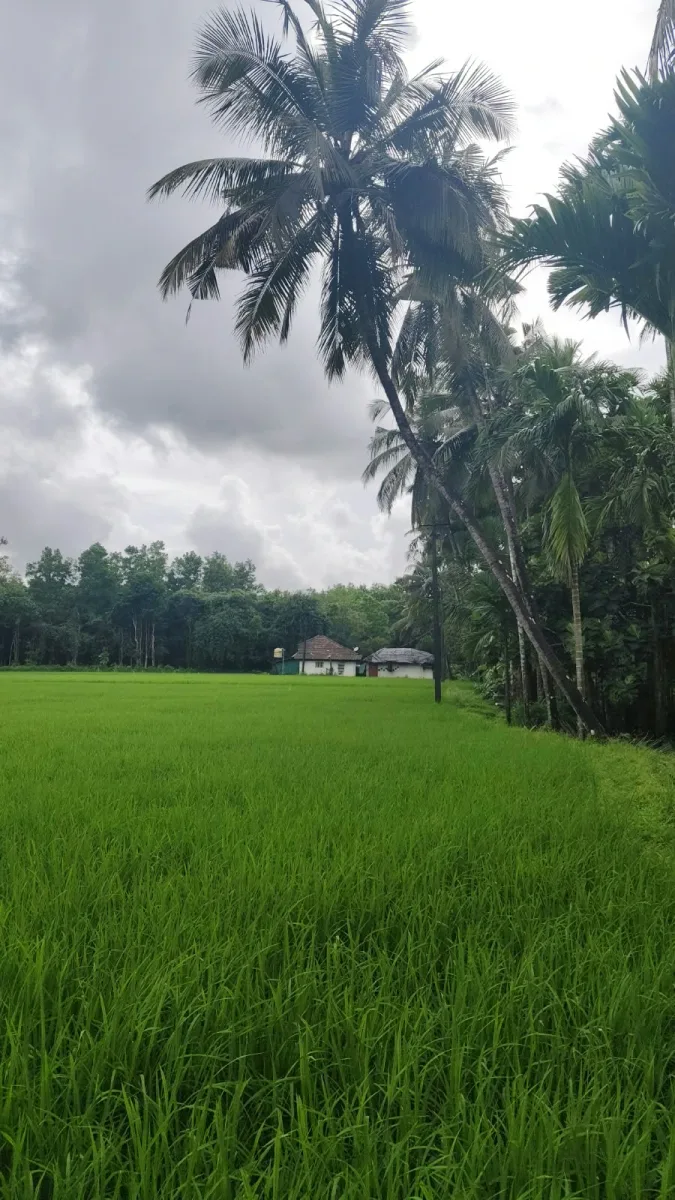
Land conversion — converting agricultural land to non-agricultural use so you can build a house, cottage or commercial structure — is the single most common friction point for buyers on the Karavali coast. Almost every desirable plot begins life as agricultural, and the conversion process determines whether your purchase turns into a buildable asset or stays stuck.
Two policy moves in the last twelve months have materially reshaped this landscape. Buyers acting on 2023 or 2024 information are already out of date.
The 5-gunta rule — and its coastal exception
In February 2026, Karnataka's land survey department issued a circular directing every Deputy Commissioner in the state to reject any land-use conversion application for agricultural plots smaller than five guntas (roughly 5,445 sq ft, or a little over 500 sq m). The minimum parcel size was originally fixed by the Commissioner for Survey, Settlement and Land Records in December 2021, but enforcement was inconsistent until the February 2026 directive made it explicit.
Crucially, the coastal districts get a lower threshold. Kodagu, Dakshina Kannada, Udupi and Uttara Kannada operate on a 3-gunta minimum, recognising that coastal land parcels are historically smaller and more fragmented. In practical terms this means:
- A 3-gunta plot in Kundapur or Bhatkal remains convertible.
- A 4-gunta plot anywhere in Karavali is safely inside the threshold.
- A sub-3-gunta plot on the coast, even if you can find one, cannot be converted — and any application will be rejected.
The September 2025 amendment — process changes that matter
The Karnataka Land Revenue Rules Amendment of September 2025 introduced a set of procedural changes that every buyer should factor into their transaction timeline:
- Notarised affidavits now form part of the standard application file — the older self-declaration route no longer suffices.
- Digital conversion certificates replace the older paper-based certificate. The certificate is issued electronically and verifiable online.
- 30-day deemed approval: If the Deputy Commissioner does not act on a completed application within 30 days, the conversion is deemed approved. This is a significant buyer-friendly change on paper, though in practice most conversions still receive a formal order well within the window.
- Penalty regime: Continued use of unconverted land for non-agricultural purposes now attracts penalties of up to ₹1 lakh, plus ₹2,500 per day for continued violations. Repeat or wilful violations can trigger land confiscation.
The CRZ overlay — unchanged but always relevant
None of these conversion changes displace the Coastal Regulation Zone framework. If your Karavali plot sits within a CRZ zone — and a substantial portion of coastal Karnataka land does — you continue to need CRZ clearance in addition to the standard conversion order. CRZ clearance is a separate process, involves a separate authority, and typically extends the timeline by two to four months on top of the conversion itself.
What this means for a Karavali coast plot purchase
The rules are stricter, but they are also clearer than at any point in the recent past. Two practical implications for buyers:
- Verify the plot size against the 3-gunta threshold before you sign an agreement. Fragmented plots that look attractive on price alone may be non-convertible under the new floor.
- Build the conversion timeline into your transaction plan. A well-prepared file with the correct notarised affidavits, survey records, and CRZ status assessment moves through the system materially faster than a piecemeal one.
The 30-day deemed approval provision genuinely helps disciplined buyers. The penalty regime punishes shortcuts — quietly using unconverted land for a cottage or shop is now a much more expensive gamble than it used to be.
SSV Realty carries out a full pre-purchase conversion assessment on every plot we advise on — including the 3-gunta check, CRZ overlay analysis, and a realistic timeline for both processes. Talk to our team before you commit to a Karavali coast plot.