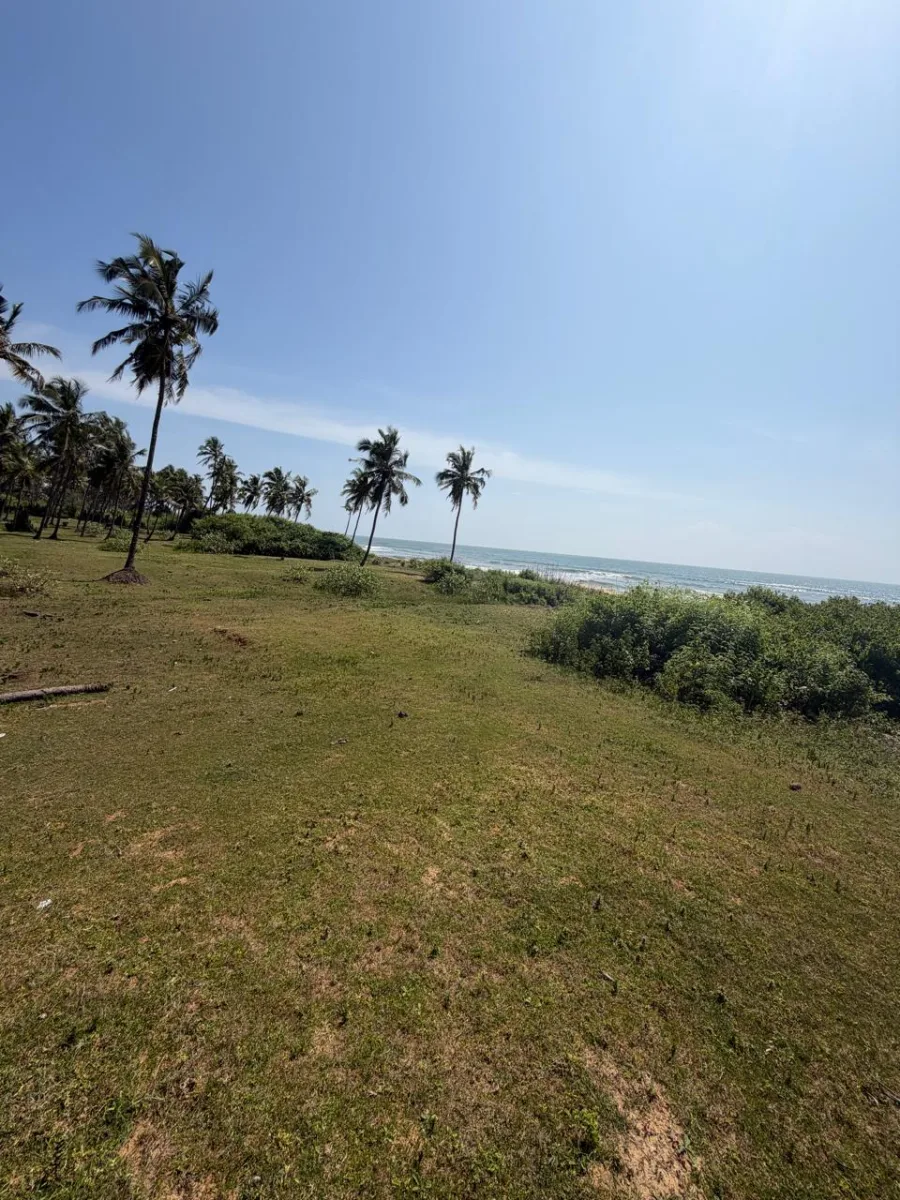
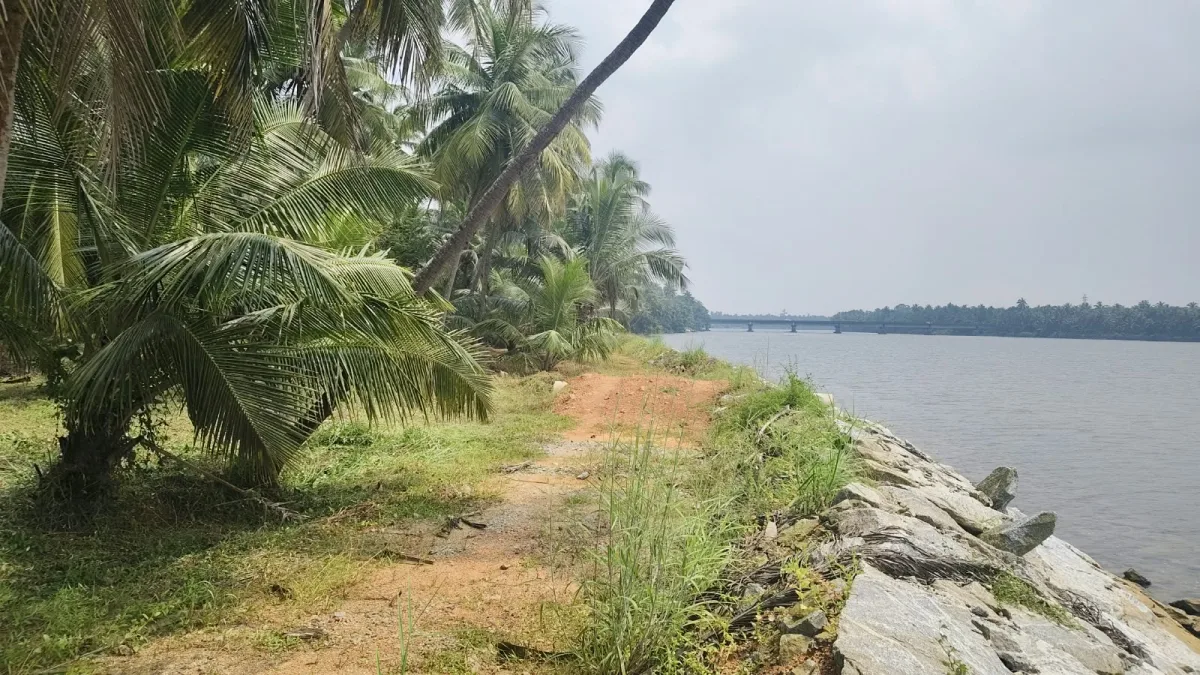
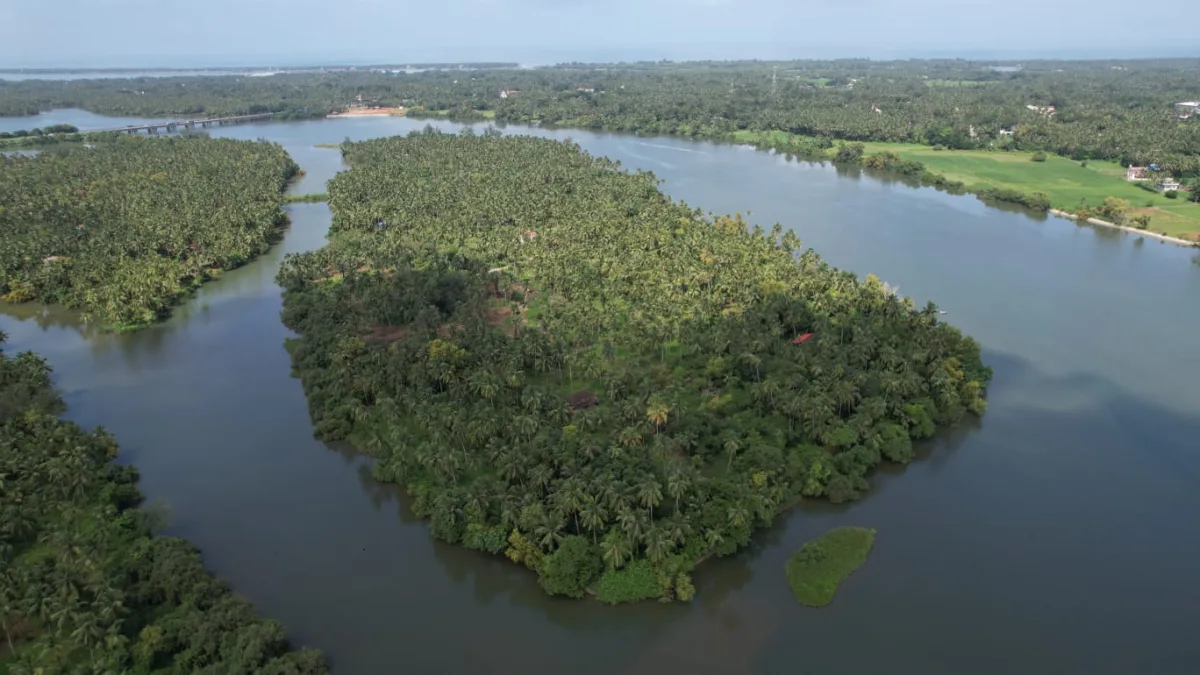
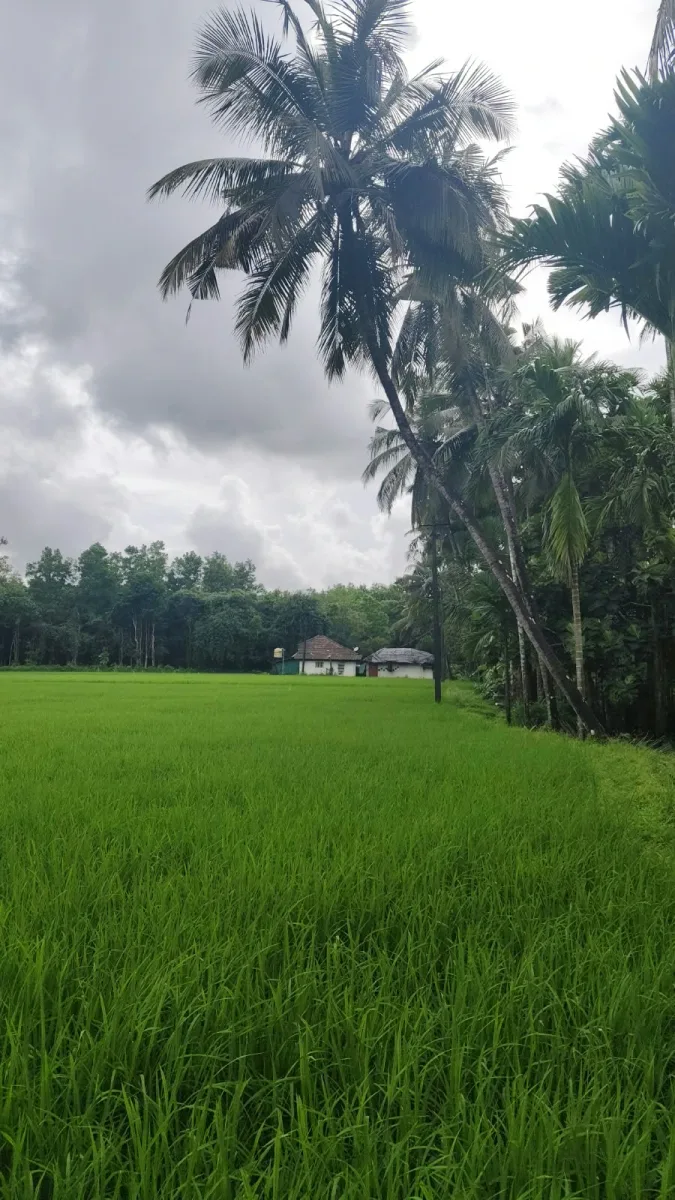
Thousands of NRIs from coastal Karnataka — based in the Gulf, the UK, the US, and Singapore — return every year with the same ambition: buy a piece of land back home before prices move further. The intent is right. The process, however, is where most get tripped up.
This checklist covers every step from eligibility to registration — with specific notes for coastal Karnataka, where CRZ rules add an extra layer of scrutiny.
Step 1 — Confirm What You Can Buy
Under FEMA (Foreign Exchange Management Act), NRIs and OCIs can freely purchase:
- Residential plots and homes
- Commercial property
- Holiday homes and villas
NRIs cannot purchase (without special RBI permission):
- Agricultural land
- Plantation property (coffee, areca, rubber estates)
- Farmhouses
Most investment-grade coastal land in Karnataka — beach-facing plots, holiday home sites, residential layouts in Kundapur or Udupi taluk — falls within the freely purchasable category. If a seller describes land as "agricultural" but assures you it is convertible, treat that as a red flag until conversion is complete and documented.
Step 2 — Verify the Title (Non-Negotiable)
This is where deals go wrong. A clear title in Karnataka means:
- Khata Certificate — property registered with the local Gram Panchayat or Municipal body
- RTC (Records of Rights, Tenancy and Crops) — confirms ownership and land classification in the revenue records. Check for "Phodi" (survey split) if the plot was carved from a larger survey number
- Encumbrance Certificate (EC) — minimum 30 years, obtained from the Sub-Registrar office. Confirms no mortgage, loan, or dispute is registered against the property
- Land Conversion Certificate (DC Conversion) — if the land was agricultural and is being sold for residential or commercial use, this certificate from the Deputy Commissioner is mandatory. Without it, the sale itself may be void
- Survey Sketch — get the government-issued survey sketch and verify physical boundaries on-site before proceeding
For coastal plots, also check: CRZ classification (see Step 4 below).
Step 3 — Sort Your Documents Before You Begin
Have these ready before you negotiate:
- Valid Indian passport (or OCI card)
- PAN card — mandatory for property transactions above ₹50,000
- OCI / PIO card (if applicable)
- Proof of NRI status — valid employment visa, residence permit, or overseas address proof
- NRE or NRO bank account details (payment must route through Indian banking channels)
- Aadhaar card (for linking with PAN and banking — apply via nearest Indian consulate if you don't have one)
If you are purchasing remotely, also prepare a Power of Attorney (see Step 5).
Step 4 — Check CRZ Rules for Coastal Plots
This is specific to Karnataka's Karavali coast and is the most commonly misunderstood aspect. The Coastal Regulation Zone notification under the Environment Protection Act restricts construction within certain distances from the High Tide Line (HTL).
Karnataka coastal land falls into three main CRZ categories:
- CRZ I — No construction permitted. Ecologically sensitive areas including mangroves, coral areas, and the intertidal zone. Never buy this for development.
- CRZ II — Developed coastal urban areas. Construction is allowed but regulated — building line and FSI restrictions apply. Generally buyable for residential use.
- CRZ III — Rural coastal areas. A 200-metre No Development Zone (NDZ) from the HTL. Between 200 and 500 metres, construction is permitted subject to local authority approval. This covers most coastal village land in Kundapur and Udupi taluk.
Always ask the seller for the CRZ clearance certificate or get an independent verification from a certified coastal surveyor before committing. The Karnataka Coastal Zone Management Authority (KCZMA) maintains updated CRZ maps — a local advocate familiar with Kundapur/Udupi Sub-Registrar offices will know how to check this.
Step 5 — Execute a Power of Attorney (If Buying Remotely)
Most NRI purchases on the Karavali coast are completed via Power of Attorney — especially for Gulf-based buyers who cannot take extended leave for every document step.
How it works:
- You execute a General or Special Power of Attorney in favour of a trusted person in India (family member, lawyer, or SSV Realty representative)
- The POA must be notarised in the country where you reside and then apostilled (for countries under the Hague Convention) or attested by the Indian Consulate
- In India, the POA must be adjudicated and stamped at the Sub-Registrar office before it can be used for property transactions
The POA holder can then sign sale agreements, deposit token amounts, and complete registration on your behalf. You never need to be physically present in India for the purchase.
Step 6 — Fund the Purchase Correctly
Payment must come through proper banking channels — not cash, not hawala. Permitted sources:
- NRE account — funds are freely repatriable. Best option for investment purchases.
- NRO account — can be used for payment. Repatriation of sale proceeds capped at USD 1 million per financial year (subject to tax clearance)
- Direct inward remittance — foreign currency remittance to a designated Indian bank account
Keep all payment records — SWIFT transfer confirmations, bank receipts, and demand draft copies. These are required for repatriation when you eventually sell.
Step 7 — Due Diligence on the Seller
- If buying from an individual: verify their Aadhaar, PAN, and original title documents
- If buying from a developer or company: verify the company's registration, check that the director signing has authorised signatory status, and confirm the land is free of company charges with the Ministry of Corporate Affairs (MCA) portal
- Confirm the seller has filed property tax returns (Pattedari receipts) consistently — gaps indicate possible disputes or encumbrances
- For agricultural land being converted: ensure the DC Conversion order is in the seller's name, not a predecessor's
Step 8 — Understand the Tax Obligations
On purchase:
- Stamp duty — 5% of guidance value in Karnataka (slightly lower for women buyers)
- Registration fee — 1% of guidance value, capped at ₹1 lakh for residential property
- TDS — if the transaction value exceeds ₹50 lakh, the buyer must deduct 1% TDS on the entire amount under Section 194IA and deposit it with the Income Tax department before registration. For NRI sellers, TDS is higher — 20% on LTCG or 30% on STCG — which makes buying from a resident seller more straightforward for most NRI buyers
Step 9 — Registration
The final step — and the one that makes the property legally yours:
- Both buyer and seller (or their POA holders) must appear at the Sub-Registrar office
- Bring: original title documents, EC, sale agreement, identity proofs, payment proofs, and two witnesses
- The Sub-Registrar will scan documents, collect stamp duty and registration fee, and issue a registered Sale Deed
- Update the Khata and RTC records within 30 days of registration — this is often skipped and causes problems later. Your advocate or SSV Realty's documentation team handles this
Common Mistakes NRI Buyers Make
- Paying token advance before title verification — amounts paid before a clear EC and conversion certificate are at risk
- Relying on verbal assurances about CRZ clearance — always get it in writing from the KCZMA or a certified surveyor
- Using a POA that has not been adjudicated at the Sub-Registrar — it will be rejected at registration
- Buying agricultural land on the promise of conversion — conversion can take years and is not guaranteed
- Not updating Khata and RTC after registration — you legally own the property but the revenue records still show the previous owner. This creates complications for future sales and loans
Why Coastal Karnataka Remains the Right Choice
Despite the process complexity, the Karavali coast continues to attract NRI investment for a simple reason: the fundamentals are sound. NH-66 connectivity, Mangalore International Airport with direct Gulf links, a large and established NRI community from Tulu Nadu and Coastal Karnataka, improving tourism infrastructure, and land prices that remain 70–80% below comparable coastal markets in Goa and Kerala.
SSV Realty specialises exclusively in Karavali coast property — from Kundapur to Byndoor to Marvante. We handle every step of the NRI purchase process: title verification, CRZ due diligence, POA assistance, documentation, and post-registration record updates. You choose the property; we handle the paperwork. Read our full NRI guide or schedule a free consultation.