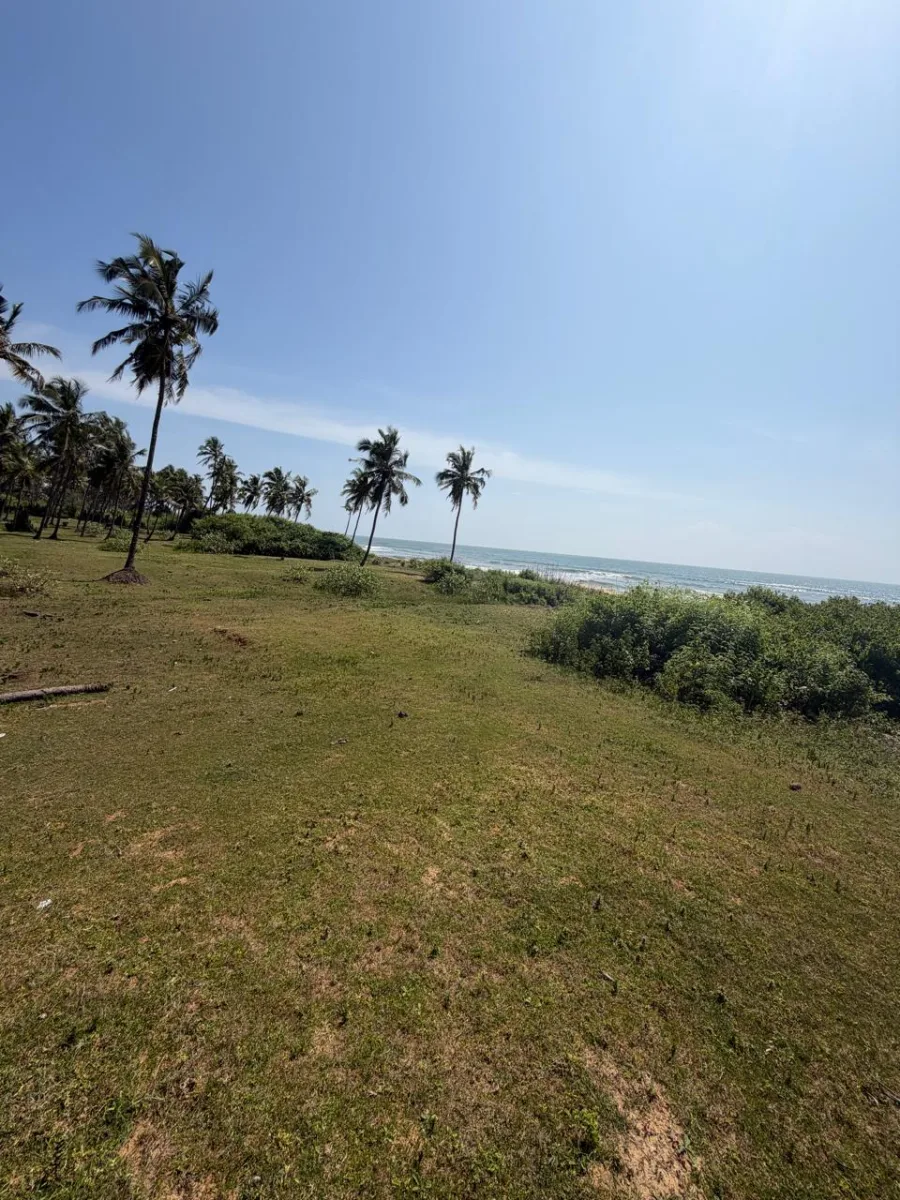
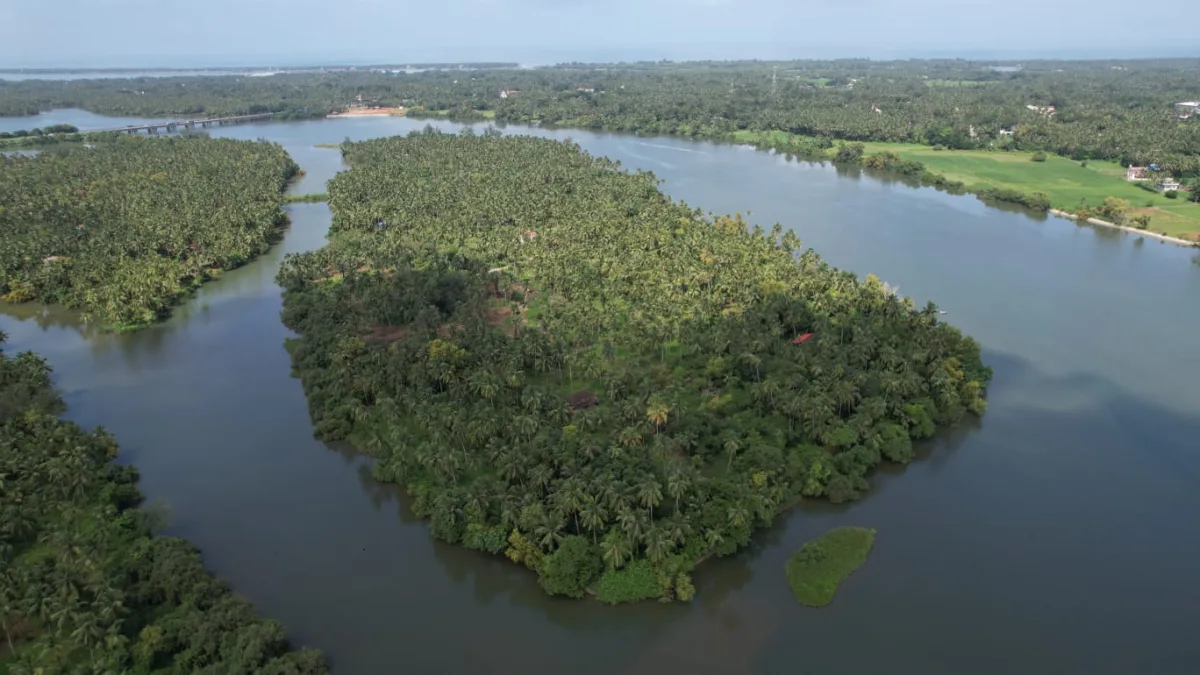
Every year, NRIs from the UAE, Saudi Arabia, the United States, the United Kingdom, and Australia purchase land on the Karavali coast. Most of them are from the Tulu-speaking community with family connections to coastal Karnataka. A growing number are non-Kannadiga NRIs attracted purely by the investment proposition. Both categories face the same challenge: buying property in a state with complex land laws, while managing the process remotely from another country.
The NRIs who navigate this successfully share one characteristic — they came prepared. They understood the legal framework before they started looking. They had the right people in place locally. And they did not let the complexity push them into shortcuts that created problems later. This checklist is built from the experience of managing NRI property acquisitions on the Karavali coast — what the steps are, what the common failures are, and how to avoid them.
Step 1: Confirm Your Eligibility Under FEMA
The Foreign Exchange Management Act (FEMA) governs property purchases by NRIs in India. The rules are straightforward but must be understood before anything else:
- NRIs and OCIs can purchase residential and commercial property in India without RBI approval. This includes converted residential plots and built-up properties.
- NRIs and OCIs cannot purchase agricultural land, plantation land, or farmhouses without specific RBI approval, which is granted only in exceptional circumstances. This means you cannot purchase agricultural land (still classified in the RTC as agricultural) directly. The land must be DC Converted to residential or commercial use before an NRI can legally purchase it.
- Payment must be made through normal banking channels — NEFT/RTGS from an NRI account (NRE, NRO, or FCNR) or a repatriation-eligible inward remittance. Cash payments are not permitted under FEMA for NRI property purchases.
- Repatriation of sale proceeds: If you sell the property in the future, repatriation of proceeds is permitted subject to certain conditions — generally limited to the original purchase amount (in foreign currency equivalent) plus documented improvement costs. Consult a FEMA-compliant CA before structuring the purchase.
Step 2: Understand CRZ Before You Look at Any Plot
For coastal Karnataka land specifically, CRZ (Coastal Regulation Zone) rules apply before any other consideration. A plot that fails CRZ compliance is not investable regardless of how attractive the price, title, or location looks. Read our detailed guide on CRZ rules for coastal Karnataka before proceeding. The key points:
- No construction within 200 metres of the High Tide Line in CRZ III B rural areas (which covers most of the Karavali coast villages)
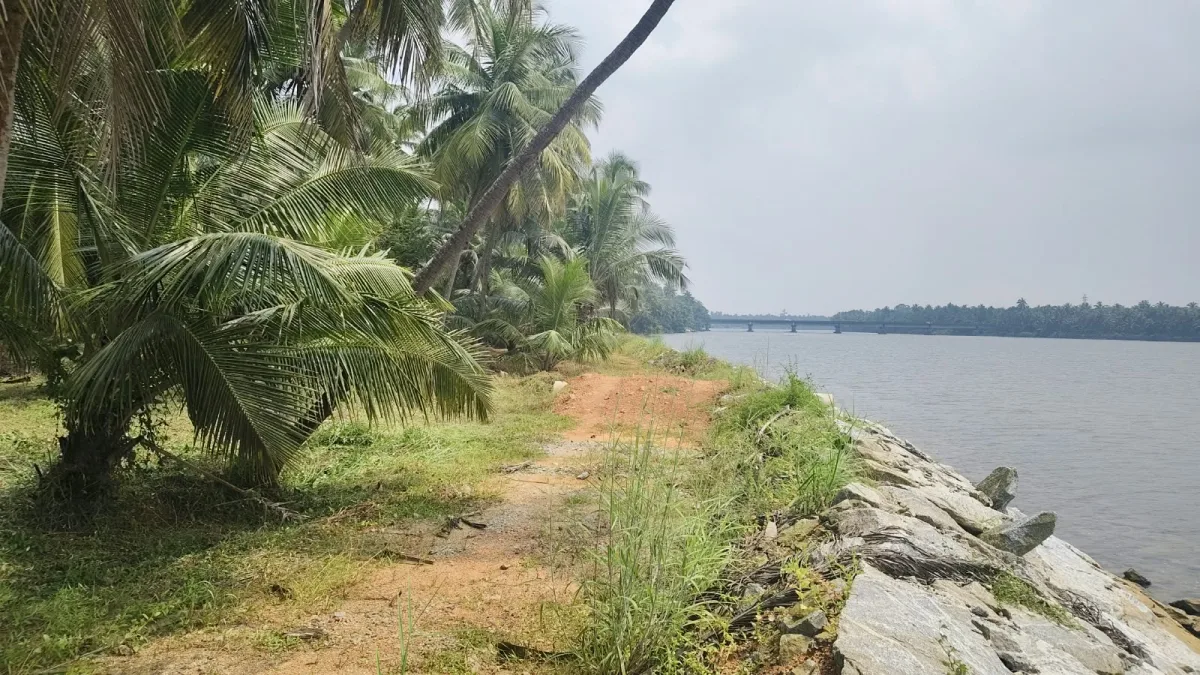
- CRZ restrictions apply to tidal rivers and backwaters, not just the sea — river-facing plots can be CRZ-restricted even kilometres from the coast
- DC Conversion does not override CRZ — a converted plot inside the No Development Zone cannot be built on
- Always obtain an independent physical survey establishing the HTL distance before making an offer
Step 3: Set Up a Power of Attorney
Most NRI property purchases in India are executed via a registered Power of Attorney (POA) held by a trusted person in India — a family member, a trusted friend, or a professional representative. The POA allows the holder to sign documents, appear at the Sub-Registrar's office, and manage the transaction on your behalf while you remain abroad.
For a POA to be valid for property transactions in Karnataka:
- It must be executed on stamp paper of the appropriate value
- If executed abroad, it must be notarised by a Notary Public in your country of residence and either apostilled (if your country is a Hague Convention signatory — UAE, USA, UK, Australia all are) or attested by the Indian Embassy/Consulate
- After arriving in India, the apostilled/attested POA must be adjudicated at the local court or registered at the Sub-Registrar's office before it can be used for property registration
- The POA should specifically authorise the holder to purchase the identified property (or properties) — a general POA is valid but a specific POA reduces risk
Execute the POA before you finalise any property — it takes time to process and you do not want to be rushing this step while a seller is waiting.
Step 4: Open the Right Bank Account
Property purchase funds must flow through an Indian bank account. For NRIs:
- NRE account (Non-Resident External): Funded by foreign currency remittances. Fully repatriable. The correct account for property purchase funds if you want to repatriate sale proceeds later.
- NRO account (Non-Resident Ordinary): Can receive Indian income (rent, dividends). Repatriation is limited. Useful for receiving rental income from the property after purchase.
- Open these accounts with a bank that has a branch near the property location — State Bank of India, Canara Bank, and Karnataka Bank all have good presence in the Kundapur-Udupi belt and are familiar with NRI property transaction documentation requirements.
Step 5: Due Diligence — What to Verify and Who to Hire
The due diligence process for coastal Karnataka land is covered in detail in our guide to buying agricultural and conversion land. For NRIs specifically, the additional emphasis is on hiring people who can act independently on the ground without requiring your physical presence:
- Local revenue advocate: Hire an advocate who practises in the relevant taluk court and has direct experience with Kundapur or Udupi Sub-Registrar transactions. Not a Mangalore or Bengaluru generalist — a practising local advocate who knows the specific Gram Panchayat records, the local land history, and the Sub-Registrar's documentation requirements.
- Licensed surveyor: For CRZ verification — must physically visit the plot and establish the HTL distance. This cannot be done remotely.
- FEMA-compliant CA: To advise on the payment structure, repatriation planning, and TDS implications of the purchase.
This team — advocate, surveyor, CA — is the minimum for a sound NRI acquisition. Do not try to manage this with only one of these, and do not rely on the seller's advocate or the broker's referrals for any of them.
Step 6: TDS on Property Purchase
When an NRI sells property to any buyer (NRI or resident), the buyer is required to deduct TDS (Tax Deducted at Source) from the sale consideration and deposit it with the Income Tax Department. The current TDS rate for NRI sellers is 20% on long-term capital gains (property held over 2 years) and 30% on short-term gains — significantly higher than the 1% TDS applicable on resident-to-resident transactions.
If you are purchasing from an NRI seller, factor in the TDS deduction and the administrative process of obtaining a TDS certificate and Form 16B. If you are the NRI seller in a future transaction, plan the capital gains tax liability as part of your investment return calculation from the outset.
Step 7: Registration and Post-Registration
Sale Deed registration at the Sub-Registrar's office requires:
- Passport and OCI card (or PIO card) — copies for the file, originals for verification
- PAN card — mandatory for property transactions above ₹50 lakh; obtain one if you do not have it
- NRE/NRO account statements showing the fund transfer
- Registered POA if you are not present in person
- Two witnesses with identity proof
After registration, file for mutation (khata transfer) at the Taluk Office. This updates the RTC in your name and is mandatory for obtaining building permission, taking out a loan against the property, or reselling it without complications.
Step 8: Property Management After Purchase
An NRI property that is left unmanaged on the Karavali coast faces real risks — encroachment, title disputes from neighbouring survey numbers, deterioration, and missed rental income. Professional property management handles:
- Physical security and boundary maintenance
- Rent-out management for holiday rental income
- Liaison with Gram Panchayat and revenue authorities for any annual filings
- Maintenance and repair coordination
- Regular reporting to the owner
How SSV Realty Supports NRI Buyers
SSV Realty has structured its service specifically for NRI buyers who cannot be present through the full acquisition process. We provide verified property listings (CRZ-checked, title-reviewed), coordination with local advocates and surveyors, POA guidance, and post-purchase management for properties in the Kundapur-Marvante-Byndoor belt. Our NRI clients have successfully completed acquisitions from the UAE, Singapore, the US, and the UK without a single India visit during the transaction process — using registered POA and our on-ground coordination. Read our full NRI property guide, view available properties, or speak to our team to begin your search.