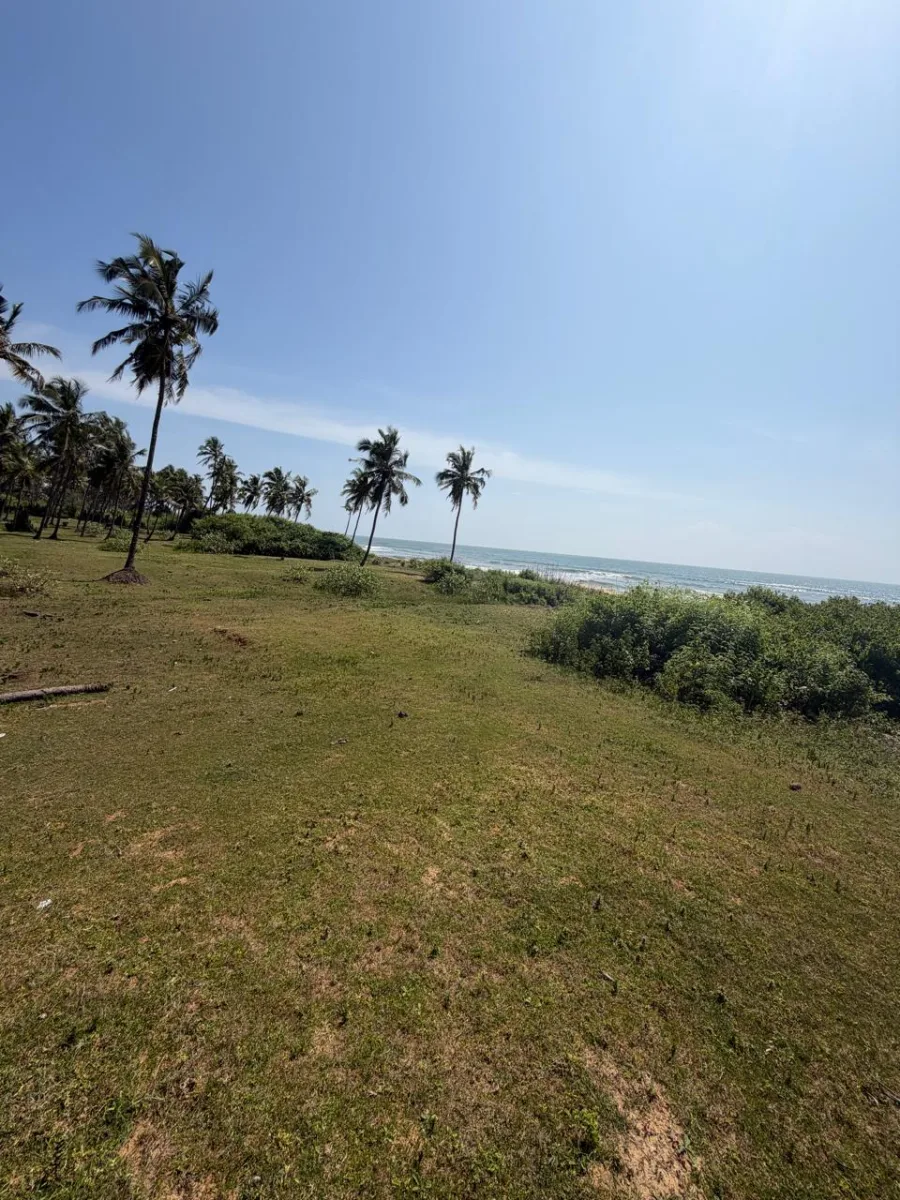
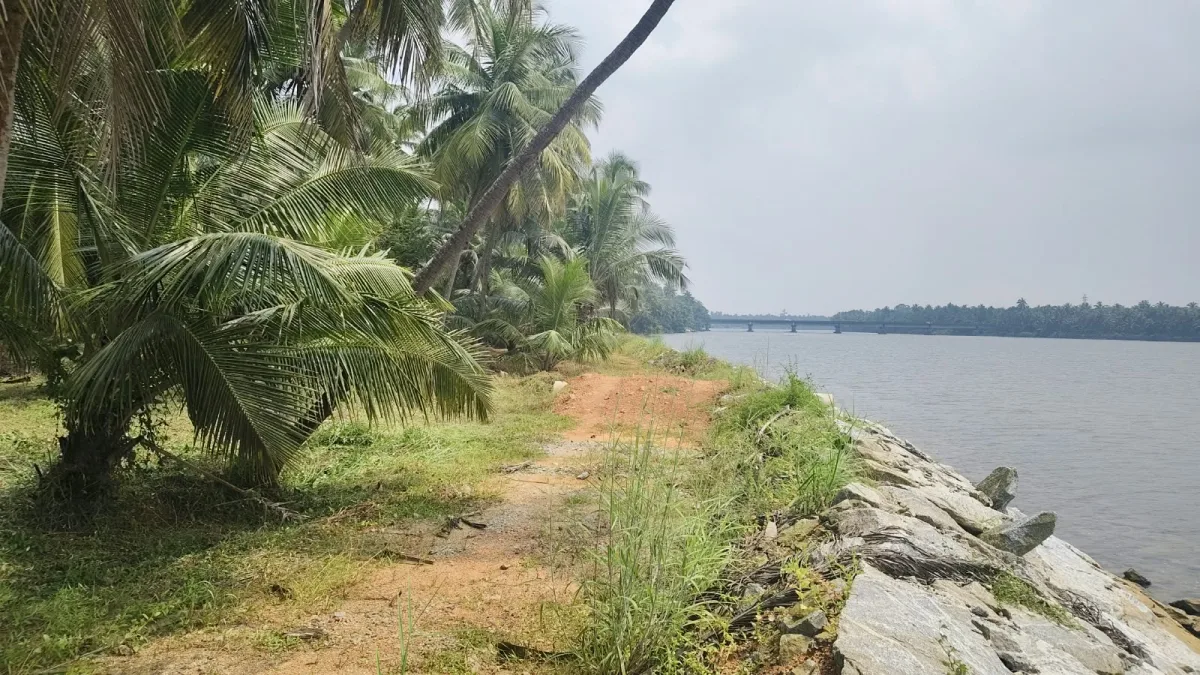
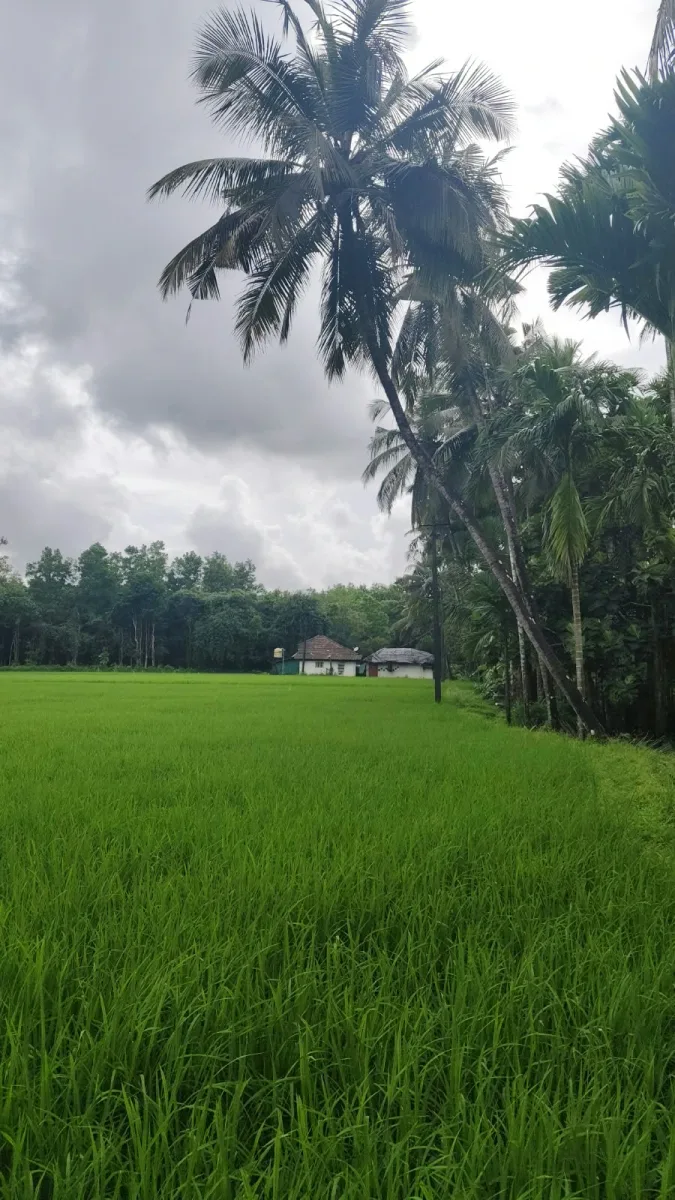
The Karnataka Department of Tourism notified the revised Homestay Registration Guidelines on 29 April 2026, making registration mandatory for every homestay operating in the state. Within weeks of the notification, more than 500 owners had already applied. For anyone treating a Karavali coast property as a managed rental asset, this is now a compliance question, not a choice.
Who the rules apply to
The guidelines cover any residential property offering paid accommodation to tourists — whether marketed on Airbnb, Booking.com, MakeMyTrip, or via direct booking. If your property has paying guests staying overnight, it is a homestay in the eyes of the state, regardless of what your listing calls it.
Gold vs Silver classification
Karnataka homestays are classified into two categories, each with its own fee and standards baseline:
- Class A — Gold Guest Class: ₹3,000 annual registration fee. Higher facility and service standards.
- Class B — Silver Guest Class: ₹2,000 annual registration fee. Lower baseline but still subject to safety, hygiene, and guest-verification requirements.
Classification is not just about pricing — it signals to tourists what to expect, and the state has been clear that misclassification is grounds for action.
The two rules that catch most investors off-guard
- Owner-occupancy: The owner (or a designated family member) must reside on the property. This is the single biggest constraint for absentee investors, particularly NRIs, and it fundamentally shapes how the "managed holiday home" model is structured on the coast.
- Five-room ceiling: A homestay is capped at five let-out rooms. Anything larger falls outside the homestay category and needs to be registered under a different licence — typically a hotel or resort category with materially higher compliance overhead.
What NRI and non-resident owners need to think about
The owner-occupancy requirement does not mean an NRI cannot own a homestay-registered property. It does mean the operating model has to accommodate a resident owner or family member on record. In practice, this is usually solved through a local family member acting as the registered occupant, or by structuring the property under a formal management arrangement with a local operator who takes on that role.
Getting this wrong at the outset — buying with the assumption that a fully absentee holiday-let model is permitted — is one of the most common errors we see NRI investors make. The compliance frame is easier to design into a purchase than to retrofit later.
How to register
Registration is done online through the Karnataka Tourism portal at karnatakatourism.org. The department has streamlined the process compared to previous years, but foreign-guest reporting requirements (Form C to the FRRO within 24 hours) and mandatory police verification of guests remain in force and apply from day one of operation.
What this means for a Karavali coast holiday-home investment
Registration itself is inexpensive — ₹3,000 a year is a rounding error against a coastal holiday home's revenue. The real design question is structural: choose a property, a location, and an operating partner that make the compliance frame work naturally. A well-set-up managed holiday home on the Karavali coast now sits inside a clearer regulatory perimeter than at any point in the last decade, which is genuinely good for owners who take the rules seriously.
SSV Realty helps property owners on the Karavali coast structure managed holiday-home investments that comply with Karnataka's homestay framework from the first day of ownership. Talk to our team about your holiday-home plans, or explore SSV Property Solutions for ongoing property support.