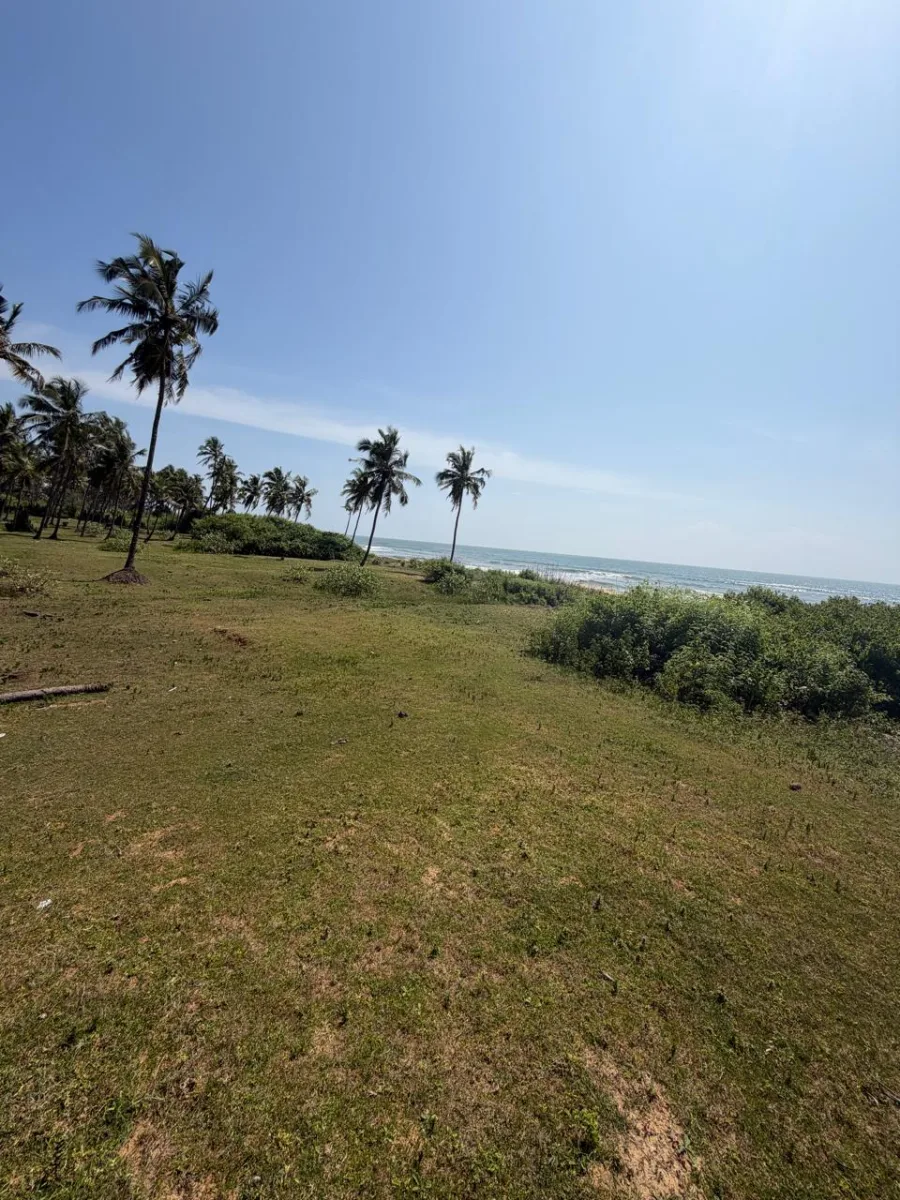
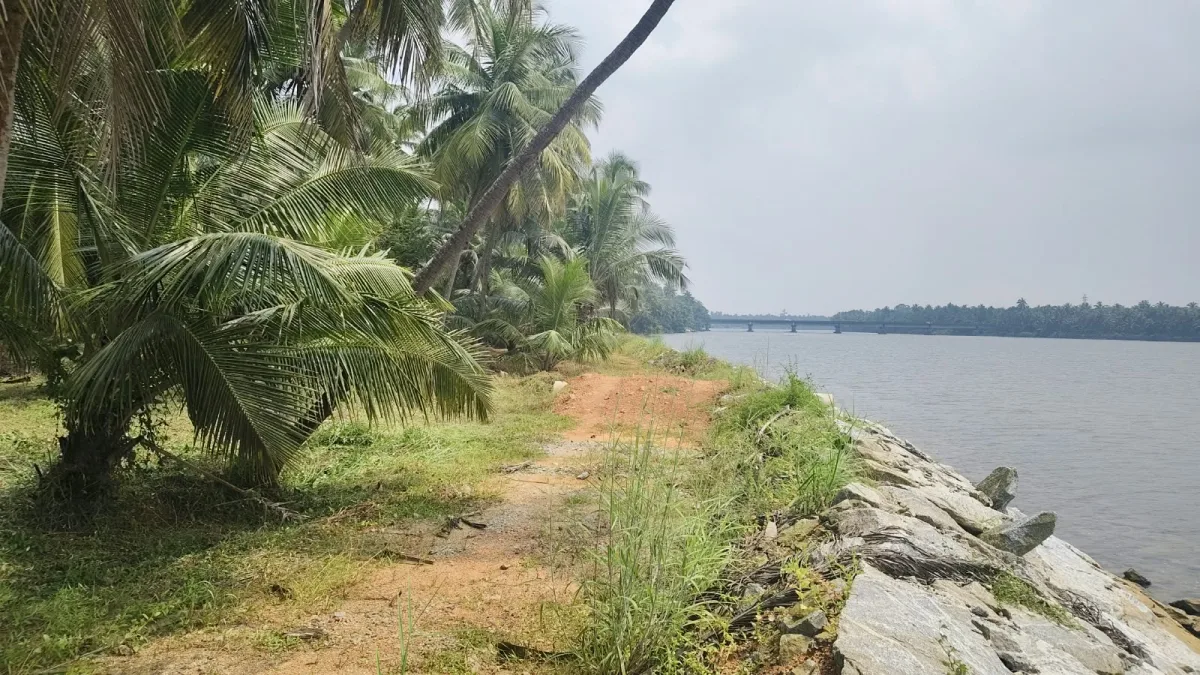
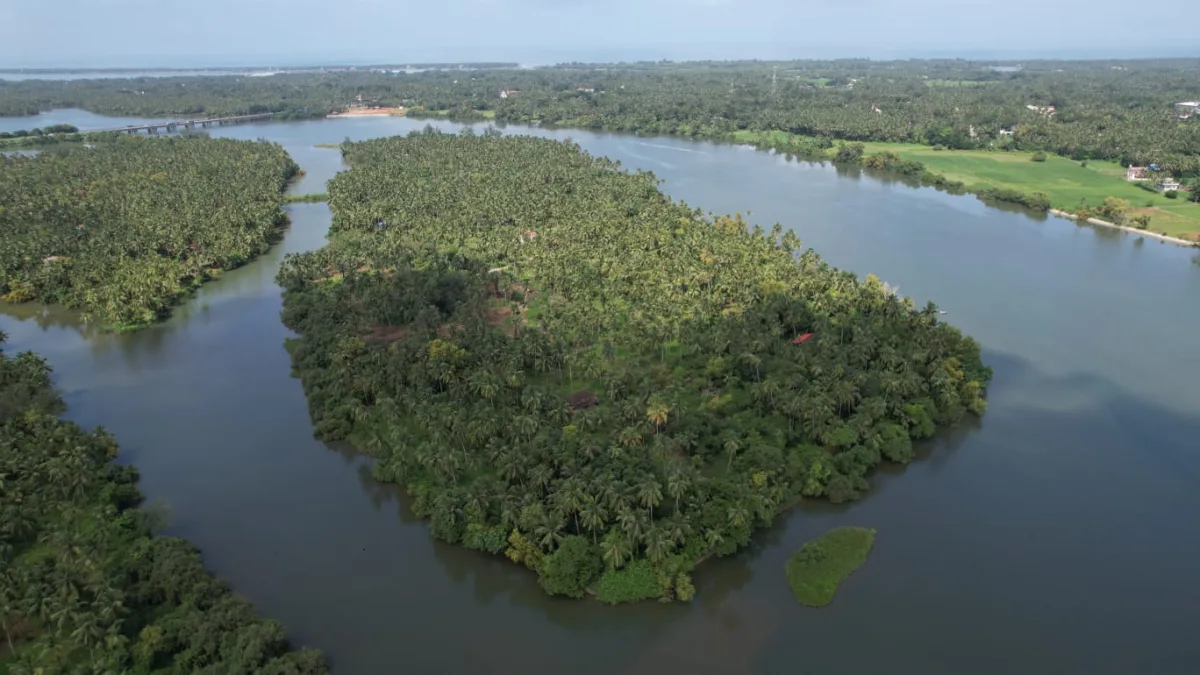
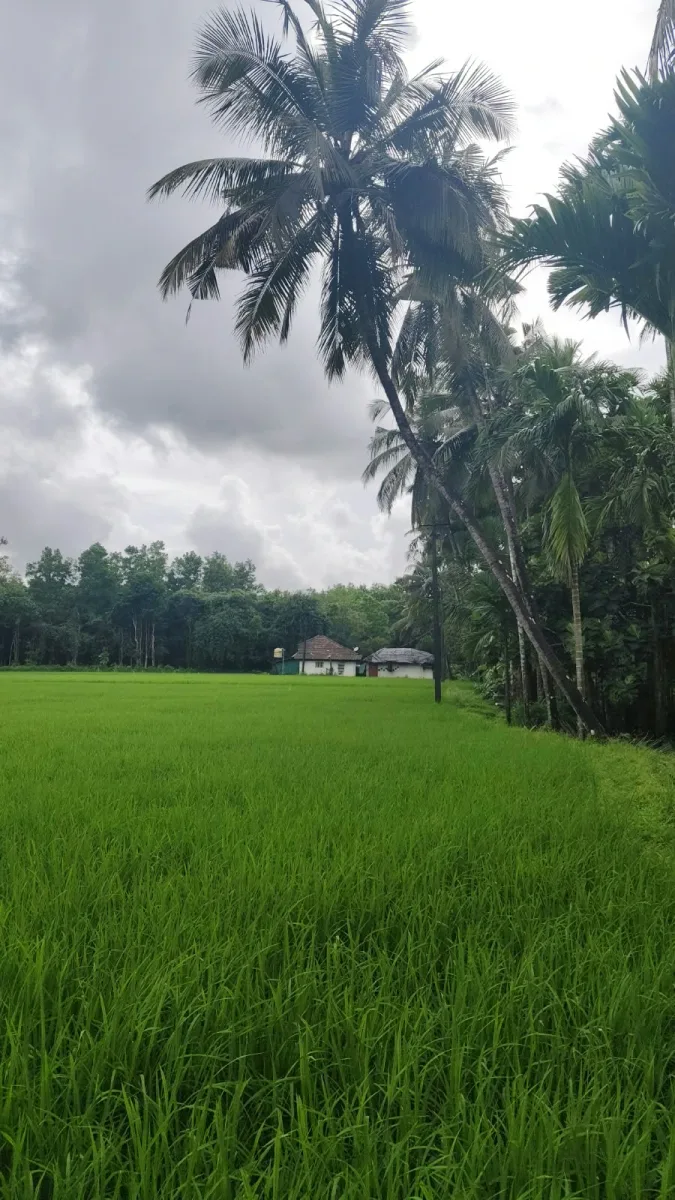
There is something immediately attractive about a coconut grove in coastal Karnataka. The tall palms, the dappled light, the productive character of the land — it reads as a working asset, not just a plot of dirt. Buyers from cities respond to it intuitively. And sellers know this: plantation land is marketed with skill, and the complexity underneath the aesthetics is rarely part of the conversation.
This guide is for buyers who are seriously considering coconut grove or arecanut plantation land on the Karavali coast and want to understand the full picture before committing.
What You Are Actually Buying
When you purchase a coconut grove or arecanut garden in coastal Karnataka, you are buying land that is classified agricultural in the RTC (Record of Rights, Tenancy and Crops). The trees are not separately titled — they are fixtures on the land. The agricultural classification has significant legal consequences:
- Non-agriculturalists (including NRIs, urban professionals, and companies) cannot legally purchase agricultural land in Karnataka under Section 79A and 79B of the Karnataka Land Reforms Act.
- The land cannot be built on until DC Conversion to residential or commercial use is completed.
- Certain categories of agricultural land — including high-productivity coconut plantations in specific designated areas — face additional restrictions on conversion.
Understanding these restrictions is more important than evaluating the coconut yield. Many plantation buyers discover the legal reality only after committing funds.
Can a Coconut Grove Be DC Converted?
The answer depends on several factors specific to the individual plot:
- CRZ status: If the plantation is within the CRZ No Development Zone, conversion is irrelevant — the land cannot be built on regardless of its revenue classification.
- Land quality designation: High-quality agricultural land designated under various Karnataka agricultural schemes may face NOC requirements from the Agriculture Department that delay or block conversion.
- Paddy land: If the land has ever been classified as paddy land (wetland cultivation), conversion is significantly restricted under Karnataka's Paddy Land Protection Act. Even a coconut grove established on historically paddy land may face conversion obstacles.
- Location: Conversion approvals in rural Gram Panchayat areas are generally more straightforward than in periurban areas subject to development plan restrictions.
For plantation land that is CRZ-clear, not paddy, and not specially designated, DC Conversion is achievable — but takes 4–9 months and requires all standard documentation plus an NOC from the Agriculture Department.
The Income from a Coconut Grove
A mature coconut grove in coastal Karnataka yields approximately 80–120 coconuts per tree per year, depending on the variety, soil, water access, and management intensity. At current farm-gate prices of ₹20–35 per coconut, a 1-acre grove with 40–50 trees generates ₹64,000–₹2,10,000 per year in gross coconut income.
Deduct labour, fertiliser, and harvesting costs (typically 40–50% of gross income) and the net yield from a 1-acre coconut grove is ₹40,000–₹1,20,000 per year. On a ₹50 lakh purchase price, this represents a gross yield of 0.1–0.24%. Not an income investment.
Arecanut gardens generate higher income — a productive arecanut garden can yield ₹2–4 lakh net per acre annually — but also require more intensive management and face market price volatility.
The Real Investment Case for Plantation Land
The income from the plantation is not the investment case. The investment case for plantation land in coastal Karnataka is:
- Buy agricultural land at agricultural prices (₹4–15 lakh per cent)
- Complete DC Conversion over 6–12 months
- Hold converted land as residential land valued at ₹15–50 lakh per cent (depending on location)
- Realise the gap between agricultural purchase price and residential sale price as capital gain
This is a viable strategy where it works — but it works only if the conversion is achievable and the CRZ position is clean. It fails expensively when either condition is not met.
What to Check Before Buying Plantation Land
- RTC Column 9: Land classification and crop type — confirms agricultural status and identifies paddy land risk
- CRZ survey: Physical HTL distance measurement for any plantation within 500m of coast or tidal waterway
- Agriculture Department NOC: Confirm whether the specific land requires NOC for conversion, and if so, that it is obtainable
- Paddy land history: Check historical RTC records for any paddy cultivation classification
- Encumbrance Certificate: 30-year EC confirming clean title and no tenancy claims
SSV Realty's View on Plantation Land
We list agricultural and plantation land in the Kundapur-Byndoor belt where we have verified that conversion is achievable and CRZ compliance is clear. We do not list plantation land as a build-ready investment without completing these checks first. View available agricultural and conversion land or contact our team for an assessment of specific plantation land you are evaluating.