Walk into any conversation about coastal Karnataka property investment and you will quickly encounter two camps. The first wants beachfront or near-beach land — the dream of waking up to the sound of waves, the cleanliness of a beach address, the premium rental yield from holiday guests. The second is drawn to the value proposition of agricultural land — larger plots at lower per-cent prices, the appeal of a working coconut or arecanut grove, and the sense of buying something tangible and productive rather than speculative.
Both are legitimate investment categories. But they are not comparable in the way many buyers assume. The risk, return, legal framework, and operational requirements are fundamentally different. This guide breaks down the real differences so you can make the right choice for your specific situation.
Beachfront and Near-Beach Plots — The Case For
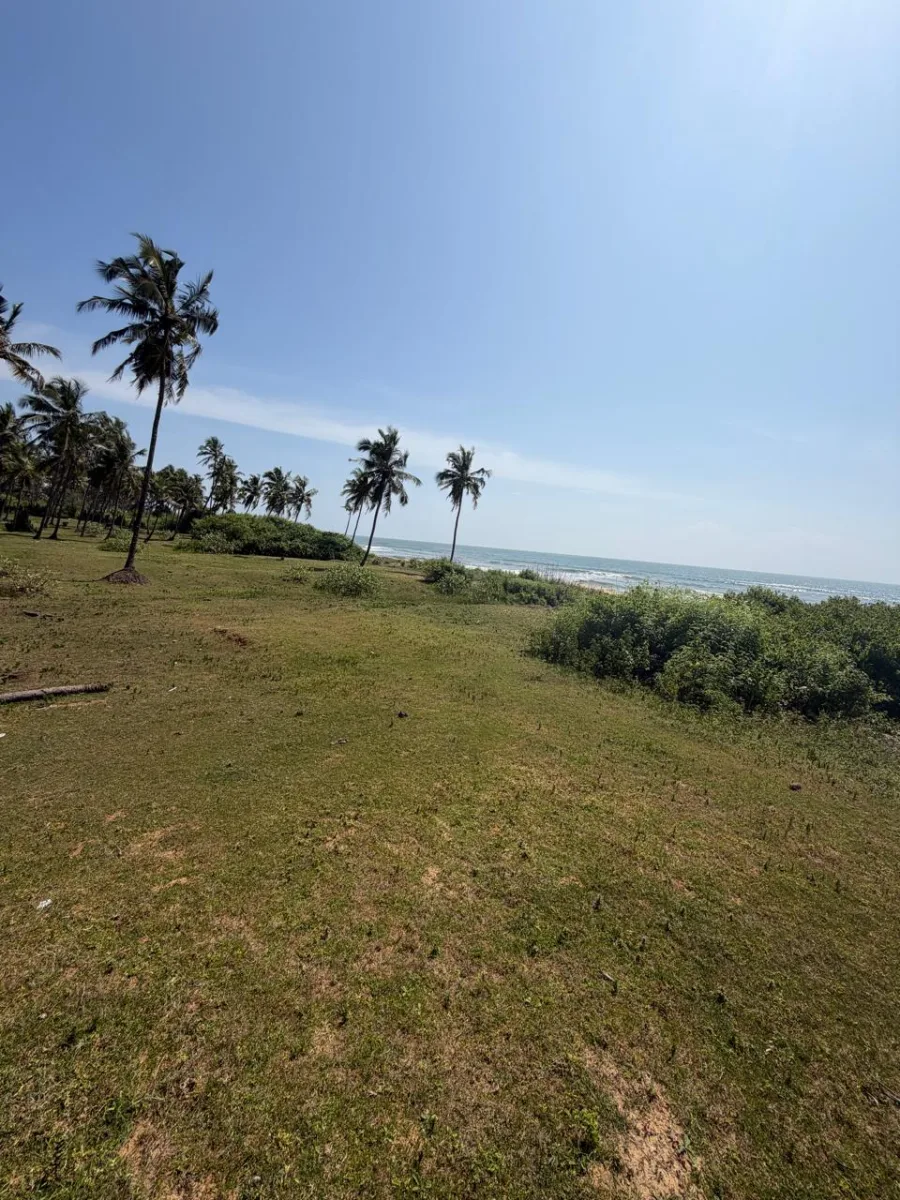
A converted residential plot within 500 metres of the coastline in Kundapur taluk is a scarce asset. The physical supply is finite — there is only so much land between the road and the CRZ No Development Zone — and that supply is being absorbed. What makes these plots valuable:
- Rental income potential: Holiday guests pay a premium for coastal proximity. A 3-bedroom villa near Marvante beach earns ₹12,000–25,000 per night in peak season. The same villa 5km inland earns ₹5,000–10,000. The proximity premium is real and persistent.
- Capital appreciation: Coastal plots in CRZ-compliant positions have appreciated 35–60% in the Kundapur belt over the past four years. The combination of scarcity and NRI demand creates sustained upward pressure.
- Liquidity: A clean, converted coastal plot is among the most liquid real estate assets on the Karavali coast. There is always a buyer at the right price.
Beachfront and Near-Beach Plots — The Case Against
- CRZ risk: The single most important risk. A plot inside the No Development Zone cannot be built on regardless of its revenue classification. CRZ due diligence failure is the most expensive mistake in coastal Karnataka real estate.
- High entry price: ₹40–75 lakh per cent for CRZ-compliant converted plots near Marvante. The capital requirement is significant and the margin for due diligence error is narrow.
- Smaller plots: Near-beach land is expensive. Most buyers can afford 5–15 cents. This limits the scale of what can be built.
Agricultural Farmland — The Case For
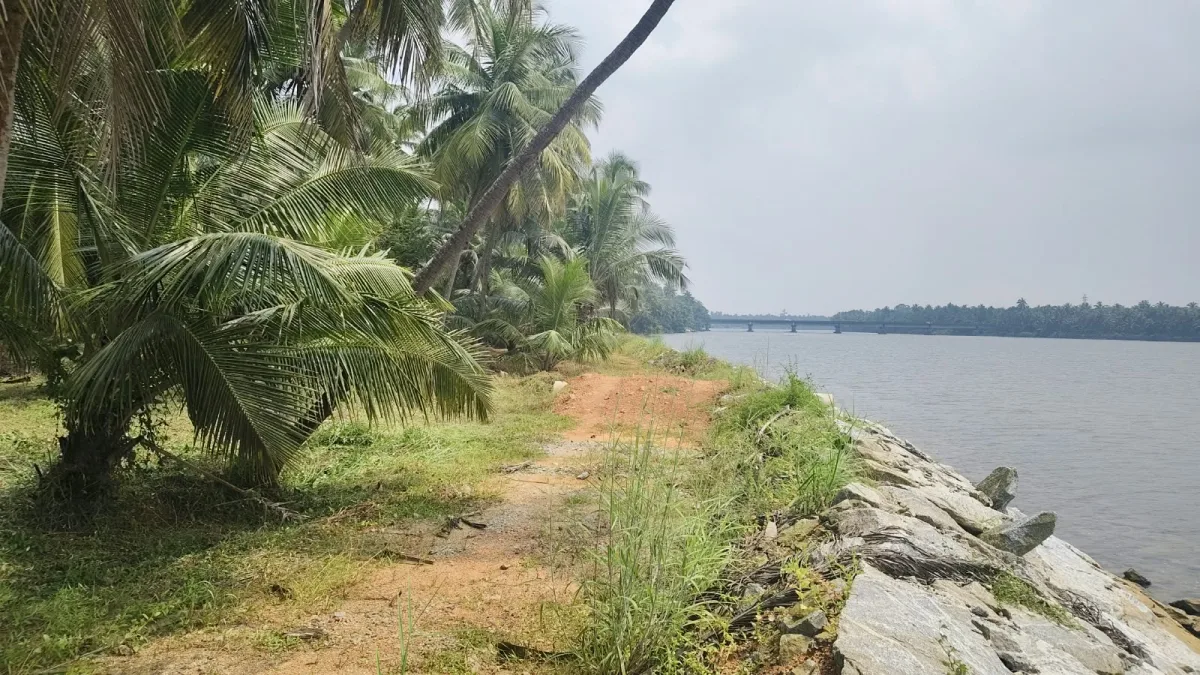
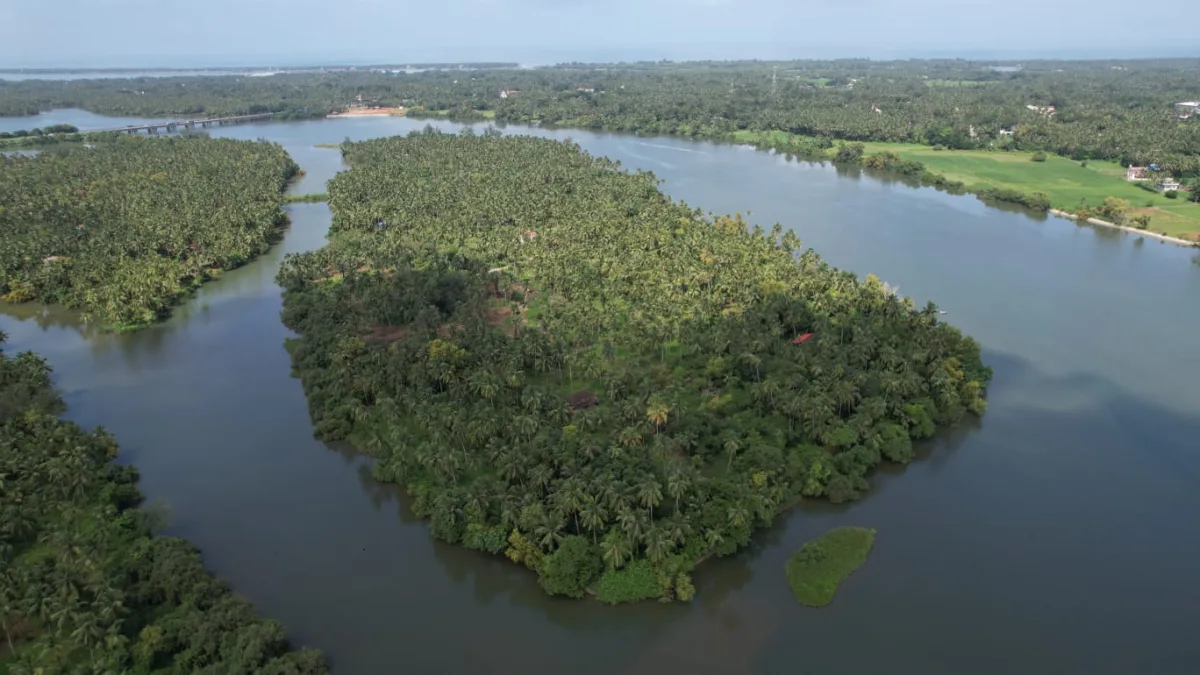
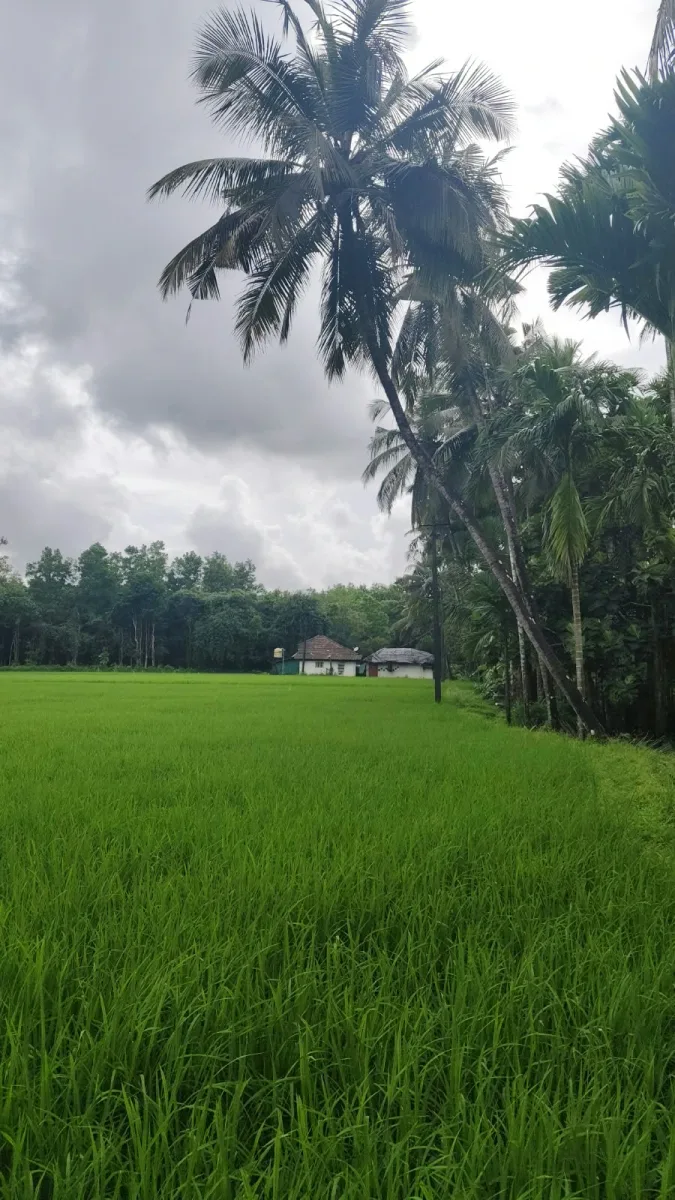
Coastal Karnataka's agricultural land — coconut groves, arecanut gardens, paddy fields — offers a fundamentally different entry point:
- Lower price: Agricultural land in the 1–5km band from the coast runs at ₹4–15 lakh per cent, significantly below converted coastal plots. A buyer with ₹50 lakh can acquire 5–10 acres of agricultural land versus 1–2 cents of coastal plot.
- Productive income during hold period: A working coconut or arecanut grove generates income from the crop while the investor holds. This partially offsets the cost of ownership.
- Long-term conversion play: Agricultural land that is correctly positioned (CRZ-clear, not paddy, not high-quality designated agricultural land) can be DC Converted over time. The land acquired at agricultural prices can ultimately be developed at residential land values — a significant value creation opportunity.
Agricultural Farmland — The Case Against
- Karnataka Land Reforms Act restrictions: Non-agriculturalists cannot legally purchase agricultural land directly. The land must be DC Converted before purchase. Buying agricultural land as an NRI or urban professional without conversion creates title risk.
- Conversion is not guaranteed: Not all agricultural land can be converted. Paddy land, high-quality agricultural land designated under specific schemes, and land within CRZ all face significant conversion obstacles.
- Longer timeline: DC Conversion takes 3–9 months. Development follows conversion. The income story from rental yield is years away, not months.
- Operational complexity: A coconut grove or arecanut plantation requires management. Absent management means declining yield and potential encroachment.
The Investment Decision Framework
Choose beachfront / near-beach if: you have a 2–5 year horizon, want rental income within 1–2 years of purchase, can absorb the higher entry price, and are prepared to invest in rigorous CRZ and title due diligence.
Choose agricultural farmland if: you have a 7–15 year horizon, are comfortable with the conversion process, want maximum capital gain on a smaller initial outlay, and can manage or arrange management of the working plantation during the hold period.
Neither is wrong. They are different assets for different investors. The mistake is buying farmland expecting beachfront returns on a beachfront timeline — or buying a coastal plot without understanding CRZ.
How SSV Realty Approaches Both Categories
SSV Realty lists both converted coastal plots and agricultural conversion land in the Kundapur-Byndoor belt. Every listing — regardless of type — has been through our internal due diligence: CRZ status checked, RTC and EC reviewed, conversion status verified. View current listings across both categories or speak to our team about which type fits your investment profile.